The Flowering almond Plant Advantage: Maximizing Home and Office Appeal and Wellness
1
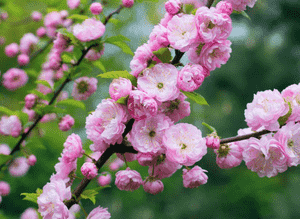
The Flowering almond brings lively hues and appeal to any outdoor space with its lovely pink flowers.
2
Appropriate nurturing of Flowering almond can boost its flowering and development.
3
Flowering almond requires minimal upkeep, making it perfect for novice gardeners.
Why Opt for Flowering Almond in Your Garden?
Aesthetic Appeal
A primary reason gardeners select Flowering almond is its striking visual charm. This plant showcases exquisite, double-pink blossoms that emerge in early spring, offering a vivid burst of color to any landscape. The flowers can brighten up outdoor spaces, creating a picturesque scene to enjoy from spring's first signs.
Effortless Maintenance Plant
Another significant advantage of Flowering almond is its undemanding nature. This makes it an excellent choice for both new and experienced gardeners who desire a beautiful plant without the burden of intensive upkeep. Flowering almond needs minimal trimming and is relatively drought-tolerant once established, making it a resilient addition to any garden.
Cultivating Flowering Almond in Your Garden
Ideal Planting Conditions
To ensure Flowering almond flourishes in your garden, it's crucial to plant it under optimal conditions. Flowering almond prefers soil that drains well, with a pH ranging from slightly acidic to neutral. When choosing a spot, select an area with full sun to partial shade to promote vigorous growth and abundant blooms. Adequate spacing is also necessary to allow sufficient air circulation around the plant, minimizing the risk of fungal issues.
Watering and Fertilization
While Flowering almond is fairly drought-tolerant once mature, consistent watering is essential during its initial growth phase. Water the plant deeply but infrequently, allowing the soil to dry out between watering sessions. This helps foster a robust root system. Additionally, consider applying a balanced, slow-release fertilizer in early spring before new growth begins. This will supply the necessary nutrients for healthy flowering and development throughout the season.
Common Problems and Solutions
Pest and Disease Management
Flowering almond is generally a robust plant, but it can occasionally succumb to pests and diseases. Common pests include aphids, spider mites, and scale insects. Regular inspection of your plant and the use of insecticidal soaps or neem oil can help control these pests. Regarding diseases, fungal infections like powdery mildew can occur, particularly in humid conditions. Ensuring proper air circulation and avoiding overhead watering can lessen the risk of such infections.
Pruning Advice for Healthier Growth
Pruning is a vital aspect of Flowering almond care, as it can stimulate healthier growth and enhance blooming. Prune Flowering almond immediately after its flowering period, removing any dead or diseased wood and thinning out crowded branches. This helps maintain the plant's shape and encourages better air circulation, further reducing the risk of diseases.
Frequently Asked Questions Regarding Flowering Almond
When is the Optimal Time to Plant Flowering Almond?
The best time to plant Flowering almond is in early spring or fall when temperatures are moderate. Planting during these periods allows the roots to become established before extreme weather conditions arrive.
How Can I Improve Flowering Almond's Bloom Production?
To enhance Flowering almond's blooming, ensure it is planted in a location with ample sunlight and well-drained soil. Regular pruning after the flowering season and occasional feeding with a balanced fertilizer can also encourage more prolific blooms.



