The Japanese cherry Plant Advantage: Maximizing Home and Office Appeal and Wellness
1
Japanese cherry trees yield exceptionally lovely flowers that bring grace to any setting.
2
The aromatic blooms of Japanese cherry are known to ease tension and encourage tranquility.
3
Introducing Japanese cherry plants can greatly boost biodiversity by drawing in beneficial pollinators.
What Makes Japanese cherry Special?
Visual Charm
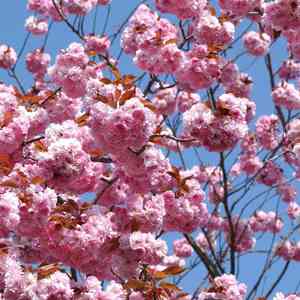
Japanese cherry is celebrated for its stunning flowers, which display hues from soft pink to pure white. These blooms form a breathtaking canopy that can transform any outdoor space into a tranquil and picturesque scene. The seasonal flowering not only brings happiness but also acts as a visual cue for the changing seasons.
Scent and Ambiance
The flowers of Japanese cherry are not only beautiful to look at but also release a delightful aroma. This subtle yet captivating scent helps create a relaxing atmosphere, ideal for unwinding after a busy day. Placing Japanese cherry near seating areas or windows allows residents to enjoy this natural air freshener.
Environmental Advantages
Pollinator Attraction
Japanese cherry plays a vital role in supporting biodiversity. Its flowers draw in various pollinators, including bees, butterflies, and birds. These pollinators are crucial for the ecosystem as they assist in the reproduction of numerous plant species. By having Japanese cherry in your garden, you contribute to the health and sustainability of the local environment.
Soil Stabilization
The roots of Japanese cherry significantly aid in stabilizing soil. This is particularly beneficial in preventing soil erosion in areas prone to this issue. By planting Japanese cherry, you can help maintain the integrity of the soil, ensuring your garden remains lush and fertile.
How Does Japanese cherry Enhance Local Wildlife?
Habitat Provision
Japanese cherry serves as an excellent dwelling for various wildlife species. Birds often utilize its branches for nesting, while small mammals and insects find shelter within its foliage. This creates a thriving micro-ecosystem in your garden, promoting a harmonious coexistence of different species.
Food Source
In addition to offering shelter, Japanese cherry also acts as a food source. Its flowers produce nectar that attracts insects, and birds can often be observed feeding on these insects. This natural food chain ensures your garden remains a bustling hub of local wildlife.
Garden Maintenance and Care for Japanese cherry
Optimal Planting Conditions
For Japanese cherry to flourish, it's essential to plant it in a location that receives full sun to partial shade. Well-drained soil is also crucial to prevent root rot. Early spring or fall is the best time for planting, allowing the tree to establish its roots before extreme weather conditions.
Pruning and Watering
Regular pruning helps maintain the shape and health of Japanese cherry. It's advisable to prune during late winter or early spring before the tree begins to bloom. Watering should be consistent, particularly in the first few years after planting. Ensure the soil is moist but not waterlogged by checking the soil moisture regularly.
Can Japanese cherry Improve Your Well-being?
Stress Relief
The presence of Japanese cherry in your garden can significantly reduce stress levels. The visual and olfactory pleasure provided by its blossoms creates a calming environment. Spending time outdoors amongst these blooms can contribute to improved mental well-being and reduced anxiety.
Community Engagement
Japanese cherry often becomes a focal point for community engagement, especially during its blooming season. Communities may gather to appreciate the beauty of the blossoms, fostering a sense of connection and togetherness. These social interactions can enhance overall community well-being.



