The Bird cherry Plant Advantage: Maximizing Home and Office Appeal and Wellness
1
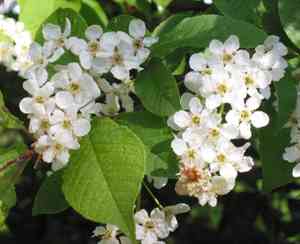
Bird cherry yields groups of aromatic blossoms that draw in beneficial insects.
2
The berries from Bird cherry are suitable for diverse cooking uses, such as preserves and sweet treats.
3
Bird cherry is recognized for its puckering qualities, advantageous in natural health practices.
What Are the Main Advantages of Cultivating Bird Cherry?
Attracts Pollinators
A primary advantage of Bird cherry is its capacity to draw in pollinators like bees and butterflies. The plant produces clusters of fragrant, white blooms in spring, offering a vital nectar source for these crucial creatures. This can lead to a more vibrant garden with improved crop yields, as pollinators are essential for the fertilization of many plants.
Ornamental Value
Bird cherry is not only practical but also lends a touch of grace to any garden. Its cascading flowers and shiny leaves make it an excellent option for decorative planting. Whether standing alone as a focal point or integrated into a mixed border, Bird cherry adds seasonal interest and beauty.
How Can Bird Cherry Be Used in Culinary Preparations?
Delicious Berries
The berries of Bird cherry can be incorporated into various culinary dishes. These small, dark fruits are rich in antioxidants and can be used to create jams, jellies, and even wines. They offer a tart yet slightly sweet flavor, making them a versatile ingredient in both sweet and savory recipes.
Nutrient-Rich Additions
Beyond their taste, the berries are packed with vitamins and minerals, providing a nutritional boost to your diet. They can be dried, frozen, or consumed fresh, making them a convenient and healthy addition to your pantry.
What Are the Holistic Advantages of Bird Cherry?
Astringent Properties
Bird cherry is recognized for its astringent qualities, which have made it a popular choice in traditional wellness practices. Astringent plants can help to tone and tighten tissues, which is beneficial in various topical applications. Historically, parts of Bird cherry have been used in poultices and other preparations.
Environmental Benefits
Bird cherry contributes to ecological balance, serving as a natural support system for local wildlife. The plant provides food and habitat for birds and insects alike, fostering a more robust and diverse ecosystem. Planting Bird cherry can be an excellent way to support local biodiversity.
How to Grow Bird Cherry in Your Garden?
Optimal Growing Conditions
Despite its many benefits, Bird cherry is relatively simple to cultivate. It thrives best in well-drained soil and prefers sunny to partially shaded locations. Regular watering and occasional fertilizing will help the plant flourish, making it a low-maintenance addition to your garden.
Pruning Advice
Pruning is crucial to maintain the shape and health of Bird cherry. It is best done after the flowering period during late spring or early summer. Remove any dead or diseased wood, and thin out crowded branches to allow for better air circulation and light penetration. Proper pruning will ensure that Bird cherry remains healthy and vigorous.



