The Cherry plum Plant Advantage: Maximizing Home and Office Appeal and Wellness
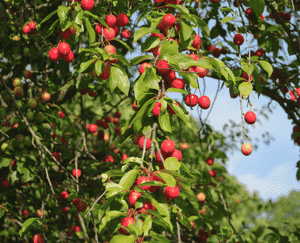
1
Cherry plum is rich in vitamins A and C, vital for general well-being.
2
The Cherry plum's fruit is adaptable, good for cooking and decorative purposes.
3
Cherry plum greatly boosts garden biodiversity by drawing in beneficial insects.
Why Cherry Plum is Nutritionally Rich
Cherry Plum's Nutritional Content
A key characteristic of Cherry plum is its impressive nutritional makeup. Abundant in vitamins like A and C, Cherry plum bolsters immune function, eye health, and skin vitality. Furthermore, it contains substantial amounts of dietary fiber, which aids digestion and fosters a healthy gut. Regular intake of Cherry plum can help meet daily nutritional needs, contributing to overall wellness.
Antioxidants and Plant Compounds
Cherry plum is also rich in antioxidants and phytochemicals, which are vital for neutralizing harmful free radicals in the body. These compounds are recognized for their protective effects against oxidative stress and inflammation, lowering the risk of chronic illnesses. The presence of anthocyanins, flavonoids, and carotenoids in Cherry plum further boosts its health-promoting qualities, making it a valuable addition to a balanced diet.
How to Add Cherry Plum to Your Diet
Cherry Plum's Culinary Uses
Cherry plum is a versatile fruit suitable for various culinary applications. It can be consumed fresh, juiced, or used as an ingredient in many recipes, from preserves and jellies to sauces and desserts. The sweet-tart taste of Cherry plum makes it a delightful addition to salads, offering a unique flavor and texture. Additionally, Cherry plum can be dried and enjoyed as a nutritious snack, providing a convenient way to gain its health benefits on the go.
Cooking Advice and Recipes
Integrating Cherry plum into your meals is simple with a few basic cooking tips and recipes. For a refreshing summer treat, try making a Cherry plum sorbet by blending the fruit with a touch of lemon juice and honey. You can also prepare a savory Cherry plum chutney to accompany grilled meats, adding a burst of flavor to your dishes. Experimenting with Cherry plum in the kitchen not only improves your cooking skills but also ensures you enjoy its many nutritional advantages in delicious ways.
Boosting Garden Biodiversity with Cherry Plum
Benefits for Garden Ecosystems
Cherry plum is not only good for human consumption but also plays a significant role in enhancing garden biodiversity. By planting Cherry plum in your garden, you create an environment that attracts various pollinators, such as bees and butterflies. These pollinators are crucial for your garden's health, assisting in plant reproduction and contributing to a robust ecosystem. Moreover, the plant's flowers provide nectar and pollen, supporting the life cycles of these beneficial insects.
Growing and Caring for Cherry Plum
Cultivating Cherry plum in your garden is relatively easy, making it an excellent choice for both new and experienced gardeners. The plant thrives in well-drained soil with full sun exposure, requiring minimal upkeep. Regular pruning and watering are essential for healthy growth and fruit production. By including Cherry plum in your garden, you not only enjoy its aesthetic appeal with its vibrant blooms but also contribute to a sustainable and biodiverse environment.
Cherry Plum's Ornamental Value
Aesthetic Appeal
Beyond its nutritional advantages, Cherry plum offers significant ornamental value to landscapes. The plant is known for its beautiful, striking blossoms that appear in early spring, providing a stunning display of color that can transform any garden space. The foliage of Cherry plum ranges from deep green to purplish shades, adding visual interest throughout the year. Using Cherry plum as a focal point in your garden design can enhance the overall aesthetic, providing both beauty and utility.
Landscape Design Suggestions
Incorporating Cherry plum into landscape design requires careful planning to maximize its ornamental and functional benefits. Consider planting Cherry plum where its blossoms and foliage can be fully appreciated, such as near patios or garden paths. Grouping several Cherry plum plants can create an attractive visual impact, while single specimens can serve as prominent focal points. Combining Cherry plum with other complementary plants can create a diverse and harmonious garden design that appeals to both the eyes and the ecosystem.



