The Common selfheal Plant Advantage: Maximizing Home and Office Appeal and Wellness
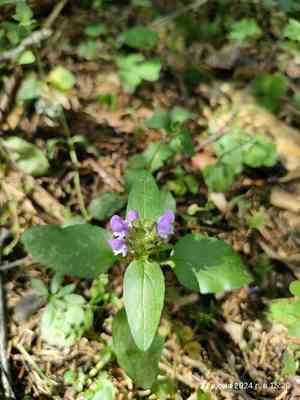
1
This botanical is recognized for its powerful antioxidant qualities.
2
It plays a crucial part in promoting dermal well-being.
3
Frequently employed in historical plant-based treatments due to its wide array of advantages.
What Are the Health Benefits of Common selfheal?
Antioxidant Properties
Common selfheal is well-known for its potent antioxidant capabilities. Antioxidants are vital for neutralizing free radicals, which are unstable molecules that can cause oxidative stress and cellular damage. By including Common selfheal in your regimen, you can help shield your body from oxidative harm, supporting overall health and well-being.
Supports Immune Health
A key advantage of Common selfheal is its capacity to bolster the immune system. This plant contains compounds that can assist the body in fending off pathogens and strengthening its defenses. Consuming products derived from Common selfheal may contribute to a more robust immune response, enhancing your body's ability to combat infections.
Promotes Skin Health
Common selfheal has been historically utilized to foster skin health. The plant's calming attributes can be advantageous for various skin concerns. Whether applied topically or incorporated into skincare items, Common selfheal can help soothe irritated skin and support the natural healing process, maintaining a healthy complexion.
Digestive Support
Common selfheal is also employed to aid digestive health. It possesses mild astringent qualities that can help tone the digestive tract. By integrating Common selfheal into your diet, you could potentially experience improved digestion and a healthier gut, contributing to overall well-being.
Anti-inflammatory Effects
Another notable advantage of Common selfheal is its anti-inflammatory actions. Chronic inflammation is linked to numerous health conditions, and reducing it is crucial for maintaining health. Common selfheal contains compounds that have demonstrated anti-inflammatory properties, making it a valuable addition to a health-conscious lifestyle.
How Can You Use Common selfheal in Daily Life?
Culinary Uses
Common selfheal can be incorporated into your diet in several delightful ways. Its leaves and blossoms are edible and can be added to salads, soups, and teas. Using Common selfheal in your meals not only imparts a distinctive flavor but also brings the plant's health benefits into your daily routine.
Topical Applications
For those interested in natural skincare, Common selfheal can be utilized in various topical forms. From homemade salves and balms to commercially available creams, integrating Common selfheal into your skincare regimen can help soothe and nourish the skin.
What Are the Best Practices for Harvesting and Storing Common selfheal?
Harvesting Tips
When it comes to gathering Common selfheal, timing and technique are crucial for maximizing the plant's yield. The optimal time to harvest is during its blooming season when the plant's active compounds are at their peak. Use sharp scissors or pruning shears to cut the stems, ensuring not to uproot the entire plant, which allows it to continue growing.
Proper Storage
Once collected, appropriate storage of Common selfheal is essential for preserving its potency. The plant can be air-dried or used fresh. If drying, suspend the plant in small bundles in a well-ventilated, dark area. Once dry, store the plant parts in airtight containers away from direct sunlight. This helps maintain the beneficial compounds, ensuring you have a consistent supply of Common selfheal throughout the year.
A Look at the History and Cultural Significance of Common selfheal
Traditional Uses
Throughout history, Common selfheal has played a significant role in various cultures. It has been employed in traditional remedies across Europe, Asia, and North America. Often referred to as a 'heal-all' in ancient herbal texts, Common selfheal was believed to possess the power to address a wide range of health issues, highlighting its revered status in folk medicine.
Modern Applications
Today, the applications of Common selfheal have expanded beyond traditional medicine. Contemporary herbalists and natural health enthusiasts continue to explore and validate the numerous benefits of Common selfheal. From dietary supplements to natural beauty products, Common selfheal has seamlessly transitioned into modern wellness practices, proving itself as a versatile and valuable herb.



