The Swamp cottonwood Plant Advantage: Maximizing Home and Office Appeal and Wellness
1
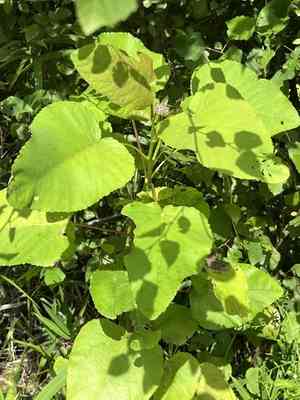
The swamp cottonwood is a distinct tree recognized for its excellent ability to thrive in moist conditions.
2
It performs a crucial function in water cleansing by removing contaminants and heavy metals.
3
Being a rapidly growing species, the swamp cottonwood substantially aids in capturing atmospheric carbon.
Why is Swamp cottonwood Crucial for Wetland Ecosystems?
Tolerance to Moist Conditions
Swamp cottonwood is well-known for its exceptional ability to thrive in wet environments. This characteristic makes it a vital element of wetland ecosystems. Its root system can flourish in waterlogged soils where many other tree species would perish, making it ideal for flood-prone areas.
Increased Biological Diversity
By stabilizing wetland soils, Swamp cottonwood creates a welcoming habitat for various plant and animal species. This tree plays a key role in preserving the biodiversity of wetlands, providing homes for diverse creatures from birds to aquatic insects.
How Does Swamp cottonwood Aid in Water Purification?
Natural Filtering Mechanism
Swamp cottonwood functions as a natural filtration system, cleansing water by absorbing harmful pollutants and heavy metals through its roots. This remarkable capability helps in purifying water sources, contributing to cleaner rivers, lakes, and streams.
Groundwater Replenishment
Another significant advantage of Swamp cottonwood is its contribution to groundwater recharge. By improving soil structure and water penetration rates, it helps replenish groundwater supplies, making it a valuable resource for both agricultural and urban settings.
What Role Does Swamp cottonwood Play in Carbon Sequestration?
Rapid Growth and Carbon Uptake
One of the most notable attributes of Swamp cottonwood is its fast growth rate, which enables it to absorb substantial amounts of carbon dioxide from the atmosphere. This characteristic makes it an excellent candidate for carbon sequestration efforts aimed at mitigating climate change.
Sustainable Wood Production
In addition to its ecological benefits, Swamp cottonwood also offers sustainable timber production. Its rapid growth makes it a renewable source of wood, suitable for various uses ranging from furniture to construction materials.
How Can Swamp cottonwood Benefit Farming Practices?
Soil Enhancement
Farmers can utilize the soil-improving qualities of Swamp cottonwood to boost agricultural productivity. Its roots help in breaking up compacted soils, increasing aeration and water infiltration, which are essential for crop health.
Windbreak and Protective Barrier
Swamp cottonwood can also be planted as windbreaks or shelterbelts, offering protection to crops from strong winds and reducing soil erosion. This can lead to more stable microclimates, promoting better agricultural yields.
How Can Swamp cottonwood Improve Urban Environments?
Urban Flood Reduction
In urban areas, Swamp cottonwood can be used to alleviate flooding. Its roots help absorb excess rainfall and reduce runoff, decreasing the risk of urban floods and contributing to a more resilient urban infrastructure.
Urban Aesthetics and Green Spaces
Finally, Swamp cottonwood enhances urban aesthetics by adding greenery to city landscapes. It can be planted in parks, along streets, and in residential areas, providing shade, improving air quality, and boosting the mental well-being of city dwellers.



