The White poplar Plant Advantage: Maximizing Home and Office Appeal and Wellness
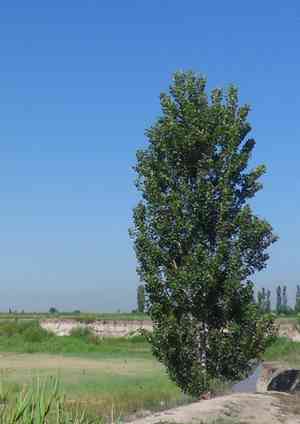
1
The white poplar is a superb option for preventing soil erosion because of its widespread root network.
2
This particular plant variety is recognized for its rapid development and ability to thrive in diverse weather conditions.
3
White poplar provides considerable environmental advantages, such as fostering environments for local fauna.
How Does White poplar Benefit the Environment?
Soil Erosion Control
A key advantage of White poplar is its capacity to prevent soil erosion. With an extensive root network that secures the earth, White poplar aids in stopping topsoil loss during heavy rainfall or strong winds. This makes it an excellent option for areas prone to erosion and for stabilizing riverbanks and slopes.
Carbon Sequestration
White poplar plays a vital role in capturing atmospheric carbon dioxide and storing it within its plant matter. This process helps lessen the impacts of climate change by decreasing airborne CO2 levels. Planting White poplar in urban and rural settings can thus contribute to sustainability efforts.
Support for Wildlife
White poplar offers habitat and sustenance for various animal species. Birds, insects, and small mammals find refuge and food within its branches and leaves. By cultivating White poplar, you're not only enhancing your space but also supporting local biodiversity and ecological equilibrium.
What are the Landscaping Benefits of White poplar?
Aesthetic Appeal
White poplar is recognized for its striking look, featuring white bark and silver-green leaves that provide visual contrast in any garden or landscape. Its rapid growth and dense foliage make it a popular choice for offering shade and privacy in residential areas.
Adaptability
White poplar is highly versatile and can flourish in diverse soil types and climate conditions. Whether your soil is sandy, loamy, or clay, White poplar can adjust and grow vigorously. Its resilience makes it a dependable option for landscapers seeking low-maintenance plants.
How to Care for White poplar in Your Garden?
Watering and Soil Requirements
White poplar prefers well-drained soil and moderate irrigation. While it tolerates drought once established, consistent watering during its initial growth phase promotes robust development. Applying mulch around the base can help retain soil moisture and protect the roots.
Pruning and Maintenance
Regular trimming is crucial to maintain the form and health of White poplar. Removing dead or diseased branches encourages new growth and reduces the risk of pest infestations. Pruning should occur in late winter or early spring before new growth emerges.
What are the Economic Benefits of White poplar?
Timber and Wood Products
White poplar is valued for its wood, which is utilized in various timber products, including furniture, flooring, and paper. Its rapid growth rate makes it a renewable resource that can be harvested more frequently compared to slower-growing species.
Cost-Effective Landscaping
Given its quick growth and adaptability, White poplar can be an economical solution for landscaping large areas. Property developers and landscapers can benefit from its ability to provide rapid environmental coverage and aesthetic improvement with minimal expenditure.



