The Pickerelweed Plant Advantage: Maximizing Home and Office Appeal and Wellness
1
Pickerelweed offers superb living space for fauna, drawing in avian species, amphibians, and invertebrates.
2
It serves as a perfect option for preserving the purity of water in aquatic environments and marshes.
3
Pickerelweed is an easy-to-care-for plant, flourishing across diverse aquatic settings.
What are the Main Advantages of Pickerelweed?
Boosts Biodiversity
A primary advantage of Pickerelweed is its capacity to sustain local fauna. Its bright blooms draw in various pollinators, such as bees and butterflies, fostering garden pollination. Furthermore, its underwater sections offer refuge for small aquatic life like tadpoles and fish, fostering a flourishing miniature ecosystem.
Enhances Water Purity
Pickerelweed is renowned for its impressive water purification abilities. The plant takes in nutrients, heavy metals, and pollutants from the water, acting as a natural filter. This makes it an excellent option for ponds and wetlands where maintaining water quality is vital. By doing so, Pickerelweed helps prevent algal blooms and keeps the water clear and healthy for aquatic organisms.
Easy to Maintain and Resilient
Another excellent characteristic of Pickerelweed is its minimal care requirements. This tough plant adapts well to diverse water conditions, whether still or flowing, and can withstand a broad range of temperatures. Once established, Pickerelweed needs little attention, making it an ideal choice for both new and experienced gardeners.
Cultivating and Caring for Pickerelweed
Planting Guidelines
To successfully cultivate Pickerelweed, begin by selecting an appropriate site. It thrives in shallow water, so pond edges or water gardens are perfect. Plant the roots in moist soil, ensuring the crown is just above the waterline. Pickerelweed prefers a sunny or partially shaded location for optimal development.
Ongoing Maintenance
Once planted, Pickerelweed demands minimal upkeep. Simply ensure consistent water levels, especially during dry periods. You can also remove any dead or decaying leaves to preserve its attractive appearance. Fertilization is usually unnecessary, as Pickerelweed obtains most nutrients from the water.
What are the Ecological Contributions of Pickerelweed?
Supports Wildlife
Beyond its visual appeal, Pickerelweed provides significant ecological advantages. The plant's flowers and foliage offer sustenance and shelter for various types of wildlife. Birds are often observed perching on its sturdy stems, while the submerged parts provide a sanctuary for aquatic creatures.
Erosion Prevention
Another important ecological benefit of Pickerelweed is its role in preventing erosion. The plant's robust root system helps to stabilize the soil along the banks of ponds and wetlands, preventing soil loss. This makes Pickerelweed a valuable asset in preserving the landscape's integrity.
Can Pickerelweed Be Incorporated into Landscaping?
Visual Appeal
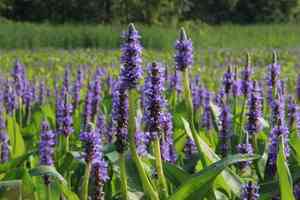
The vibrant blooms of Pickerelweed offer a splash of color that can boost the aesthetic charm of any water garden or pond. The plant's striking foliage adds texture and visual interest, making it a popular selection among landscapers.
Adaptable Uses
Pickerelweed is not only beautiful but also versatile. It can be utilized in various landscaping projects, from natural ponds to constructed wetlands and rain gardens. Its hardy nature and adaptability make it suitable for a wide array of environmental conditions, offering both beauty and utility.
How to Propagate Pickerelweed?
Division Method
Propagating Pickerelweed is relatively straightforward and typically accomplished through division. To divide the plant, carefully remove it from the water and separate the root clumps. Each division should possess a few leaves and roots. Once divided, replant them into shallow water to encourage new growth.
Ideal Conditions
For optimal results, propagate Pickerelweed during spring when water temperatures are rising. This promotes faster establishment and growth. Ensure each divided section is firmly planted to prevent it from being washed away by water movement.



