The Totara Plant Advantage: Maximizing Home and Office Appeal and Wellness
1
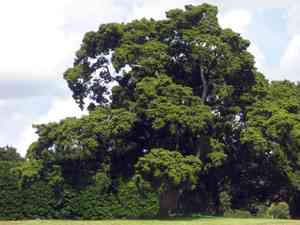
Totara is an indigenous tree playing a vital role in New Zealand's woodland environments.
2
Totara wood possesses exceptional durability, rendering it a favored material for building.
3
Totara enhances the visual appeal of outdoor spaces through its vibrant, year-round greenery.
The Crucial Role of Totara in New Zealand's Ecosystem
Totara's Contribution to Biodiversity
A key benefit of Totara is its support for biodiversity. As a native tree, it provides a home for numerous indigenous birds, insects, and other wildlife. This interaction fosters a balanced ecosystem where various species can flourish. Being evergreen, Totara offers year-round shelter and food, ensuring the survival of diverse organisms across seasons.
Totara's Role in Soil Preservation
Soil erosion is a significant issue globally, and Totara plays a vital part in mitigating it. Its root system helps stabilize the soil, reducing erosion and enhancing soil health. By binding the soil, this plant protects against landslides and maintains soil fertility, which is crucial for agriculture and preserving natural landscapes.
Practical Applications of Totara Wood
Durability of Totara Timber
Totara timber is well-known for its resilience and resistance to decay. This makes it an excellent choice for construction and woodworking projects. Unlike other woods that might rot or suffer insect damage over time, Totara timber endures, ensuring longevity and dependability.
Why Totara Timber is Preferred for Furniture and Interiors
Beyond its durability, Totara wood possesses an attractive aesthetic, featuring a fine, uniform grain that is ideal for fine furniture and interior designs. This wood can be polished to a high luster, providing a luxurious finish that enhances any space's visual appeal. Its combination of strength and beauty makes it a favored material for premium furniture and detailed interior work.
Aesthetic and Landscaping Advantages
How Totara Enhances Garden and Landscape Design
Incorporating Totara into your garden or landscape can transform the area into a lush, evergreen haven. Its large, glossy leaves create a continuous green canopy that is visually appealing throughout the year. Whether used as a focal point or as part of a larger plant arrangement, Totara adds depth and dimension to any garden setting.
Totara's Suitability for Urban Landscaping
Indeed! Totara is not confined to natural forests or rural areas. It is increasingly utilized in urban landscapes to create green spaces in city environments. The plant's hardiness and adaptability make it suitable for urban parks, botanical gardens, and even street-side plantings. Its capacity to filter air pollutants adds to its value in urban settings where air quality can be a concern.
Cultivating and Caring for Totara in Your Garden
Optimal Growing Conditions for Totara
Totara thrives in well-drained soil and requires ample sunlight, though it can tolerate partial shade. It is well-suited for temperate climates and should be planted in locations that shield it from extreme weather. Consistent watering during dry periods will ensure robust growth.
Maintaining Your Totara Plants
Caring for Totara plants involves a few straightforward steps. Pruning during the growing season helps maintain its desired shape and size, while removing dead or diseased branches promotes overall health. Fertilizers rich in nitrogen, phosphorus, and potassium can boost growth, but should be used sparingly to prevent overfeeding. Regular checks for pests and diseases will keep your Totara plants in prime condition.



