The Balloon flower Plant Advantage: Maximizing Home and Office Appeal and Wellness
1
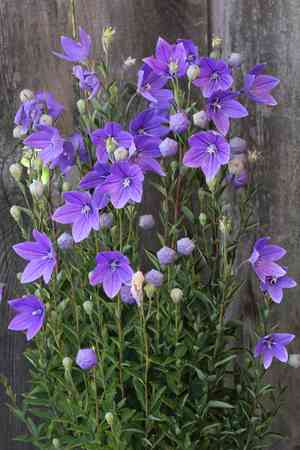
Balloon flower is recognized for its striking, inflated-bud blossoms that appear in late summer.
2
Beyond its aesthetic appeal in gardens, this plant provides various wellness advantages.
3
Its simple cultivation and upkeep make it an ideal selection for both beginner and seasoned gardeners.
What Makes Platycodon grandiflorus a Distinctive Garden Addition?
Visual Allure
A primary reason Platycodon grandiflorus is favored by gardeners is its distinctive and captivating blossoms. The flower buds inflate like balloons before unfurling into star-shaped blooms. This transformation is not only fascinating to observe but also lends an ornamental touch to any garden setting. Available in hues of blue, pink, and white, these flowers can complement various garden styles and color palettes.
Effortless Cultivation
Another compelling reason to consider incorporating Platycodon grandiflorus into your garden is its minimal upkeep requirements. This perennial plant is resilient and can flourish in diverse soil types, provided there is adequate drainage. It also resists most pests and diseases, making it an easy choice for gardeners seeking a beautiful, low-trouble plant. Furthermore, Platycodon grandiflorus is drought-tolerant once established, reducing the need for constant irrigation.
How Can Platycodon grandiflorus Benefit Your Well-being?
Traditional Applications
Platycodon grandiflorus has a long history of use in traditional practices, particularly in East Asia. It has been employed for its potential advantages, which include supporting digestive wellness and overall health. The plant's roots are often dried and utilized in various forms, including teas and supplements, though for home gardeners, simply cultivating and consuming the plant's fresh components can be advantageous.
Nutritional Content
While primarily celebrated for its aesthetic and traditional uses, Platycodon grandiflorus also offers some nutritional value. The plant contains beneficial compounds that could be advantageous for daily health. Incorporating parts of Platycodon grandiflorus into your diet can contribute to a balanced, nourishing eating plan.
What Are the Landscaping Advantages of Platycodon grandiflorus?
Adaptability
Platycodon grandiflorus is incredibly versatile when it comes to landscape design. It can serve as a focal point in flower beds, be planted in containers, or even function as ground cover in larger areas. Its vibrant colors and unique flower shape make it an excellent plant for generating visual interest and enhancing your garden's aesthetic appeal. Additionally, the plant's robust nature means it can adjust to different gardening conditions, making it suitable for various landscaping needs.
Companion Planting
Another benefit of Platycodon grandiflorus is its compatibility with other garden plants. It pairs well with other perennials and annuals, adding diversity and color to your garden beds. Its growth habits and requirements do not overshadow its neighbors, allowing for harmonious coexistence in mixed plantings. Moreover, the blooms of Platycodon grandiflorus can attract beneficial pollinators like bees and butterflies, which are crucial for your garden's overall health and productivity.
How to Integrate Platycodon grandiflorus Into Your Garden?
Planting Advice
To successfully cultivate Platycodon grandiflorus, planting in well-drained soil with full sun to partial shade is advisable. Although the plant is quite adaptable, optimal growth is achieved in environments that mimic its natural habitat. When planting, ensure the root crown is level with the soil surface to prevent rot. Space the plants approximately 12-18 inches apart to allow sufficient air circulation and growth room.
Care Guidelines
Platycodon grandiflorus requires minimal care once established. Regular watering during the initial weeks helps the plant settle into its new location. Afterward, watering needs decrease significantly. Removing spent flowers can encourage more blooms, and cutting back the foliage in late fall keeps the garden tidy and prepares the plant for the following year's growth. Fertilization is not usually necessary, but a light application of a balanced fertilizer in the spring can support vibrant blooms.



