The Water elm Plant Advantage: Maximizing Home and Office Appeal and Wellness
1
The water elm provides a superb living space for diverse animal life.
2
This vegetation aids in preserving ground quality and stopping soil loss.
3
It offers a very efficient solution for managing floods in marshy regions.
Why Consider Cultivating Water Elm?
Boosting Biological Diversity
Water elm serves as a vital home for numerous bird, insect, and other animal species. Its dense leaves offer refuge and food sources, fostering a flourishing micro-ecosystem in your yard. This variety of life is crucial for a healthy environment, helping maintain ecological balance.
Improving Soil Condition
A key advantage of Water elm is its capacity to enhance soil health. The plant enriches the soil with organic matter from its fallen leaves, promoting a rich and robust soil structure. This aids in boosting nutrient availability and water retention, making your garden more fertile and resilient.
How Does Water Elm Aid in Erosion Prevention?
Stabilizing Ground Structure
Water elm's root system is quite effective at anchoring soil. Its extensive root network binds the earth together, preventing it from being washed away by heavy rains or wind. This makes Water elm an excellent choice for areas prone to erosion.
Decreasing Surface Runoff
Water elm can also contribute to reducing surface runoff. By absorbing significant amounts of water, the plant minimizes the flow of excess water across the ground, which can erode soil and transport pollutants. This feature is particularly beneficial in flood-prone regions.
What Role Does Water Elm Play in Flood Control?
Soaking Up Excess Water
One of the most notable advantages of Water elm is its capacity to absorb surplus water. This plant thrives in moist conditions, making it an ideal candidate for flood-prone areas. Its strong root system allows it to draw large volumes of water from the soil, effectively lowering flood risk.
Forming Natural Water Barriers
Water elm can function as a natural water barrier. Its dense growth creates a physical obstruction that slows down water flow, providing more time for water to be absorbed into the soil. This not only assists in flood management but also ensures groundwater levels are adequately replenished.
How to Integrate Water Elm Into Your Landscape?
Selecting the Optimal Location
When planting Water elm, it's crucial to choose a site that mimics its natural environment. This plant thrives in wet, marshy areas, so consider placing it near water bodies or low-lying sections of your garden. This will ensure the plant has sufficient moisture and can grow robustly.
Planting and Upkeep Advice
Planting Water elm is relatively simple, but a few tips ensure its successful development. Begin by digging a hole twice the size of the root ball and mix some compost with the soil to provide extra nutrients. Water the plant regularly, especially during dry periods, and apply mulch around the base to retain moisture. Pruning is rarely needed, but removing dead or damaged branches can encourage healthier growth.
Can Water Elm Enhance Air Quality?
Filtering Contaminants
Water elm can play a significant role in improving air quality. Like other trees and shrubs, it absorbs carbon dioxide and releases oxygen, but it also filters out pollutants from the air. This contributes to a cleaner and healthier environment.
Mitigating Urban Heat Island Effect
In urban settings, Water elm can help lessen the heat island effect. The plant's extensive canopy provides shade and cools the surrounding air through transpiration, lowering the overall temperature. Planting Water elm in urban areas can thus contribute to a more comfortable and sustainable living environment.
Are There Any Aesthetic Advantages?
Beautifying Your Garden
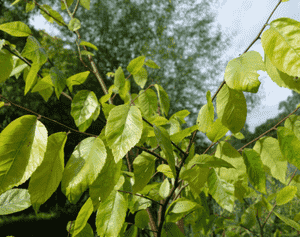
Water elm is not just practical; it's also visually appealing. With its lush green leaves and distinctive branching patterns, it adds visual interest to any garden. The plant's natural grace can serve as a beautiful focal point in landscape design.
Seasonal Appeal
Water elm offers seasonal interest with its changing appearance throughout the year. In spring and summer, it displays vibrant green leaves, while in fall, the foliage can transform into striking shades of yellow or brown. This seasonal variation adds dynamic visual appeal to your landscape.



