The Spruce pine Plant Advantage: Maximizing Home and Office Appeal and Wellness
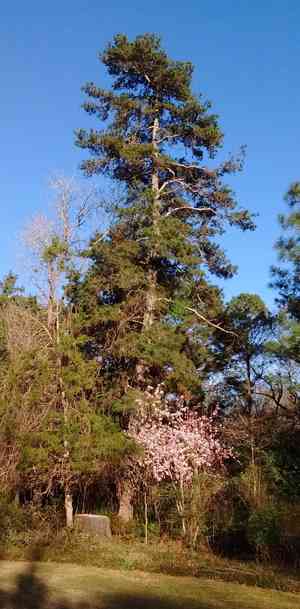
1
Spruce pine flourishes in acidic ground and areas with partial sunlight.
2
The thick foliage of Spruce pine offers superb protection from wind.
3
Spruce pine specimens aid in preventing soil erosion on inclines and elevated terrain.
How Does Spruce pine Enhance Soil Quality?
Improving Soil Structure
A key advantage of Spruce pine is its capacity to improve soil structure. Its roots grow deep and wide, helping to loosen compacted earth. This allows for better water penetration and retention, decreasing surface runoff and minimizing erosion. Over time, organic matter from fallen needles and decaying roots enriches the soil, fostering a healthier environment for nearby plants.
Boosting Soil Fertility
Beyond enhancing soil structure, Spruce pine also significantly contributes to soil fertility. The tree naturally recycles nutrients through its leaf litter, which decomposes and releases vital minerals back into the soil. This process creates a nutrient-rich layer benefiting both Spruce pine and other local plants. In forest restoration, Spruce pine can speed up the recovery of degraded soils and help re-establish a balanced ecosystem.
What Are the Ecological Benefits of Spruce pine?
Providing Wildlife Habitat
Spruce pine serves as a vital habitat for various wildlife species. Its dense canopy and foliage offer shelter and nesting sites for birds, small mammals, and insects. The seeds produced by Spruce pine are a food source for several bird species, while the bark and branches provide homes for insects and fungi. Planting Spruce pine supports biodiversity by maintaining a habitat for a wide range of organisms, contributing to ecological balance.
Climate Regulation
Spruce pine plays an important role in regulating the local climate. Its dense foliage acts as a natural windbreak, protecting areas from harsh winds and reducing wind erosion. Additionally, Spruce pine contributes to carbon sequestration by absorbing carbon dioxide from the atmosphere and storing it in its biomass and soil. This process helps mitigate the effects of climate change and supports efforts toward achieving a more sustainable and resilient environment.
Why Is Spruce pine Ideal for Landscaping?
Aesthetic Appeal
Spruce pine is highly valued for its aesthetic appeal in landscaping. Its unique, evergreen foliage provides year-round visual interest, making it an attractive addition to gardens, parks, and urban spaces. The tree can be used as a focal point, hedge, or even as a screen for privacy, owing to its dense and lush growth pattern. Its ability to thrive in various soil types and environmental conditions adds to its versatility in landscape design.
Minimal Maintenance Requirements
Another appealing aspect of Spruce pine for landscaping is its low maintenance requirements. Spruce pine is naturally resistant to many pests and diseases, reducing the need for chemical treatments. Once established, it requires minimal watering and can tolerate drought conditions, making it an ideal choice for sustainable landscaping. Its ability to thrive with little intervention makes Spruce pine a cost-effective and environmentally friendly option for beautifying outdoor spaces.
How Does Spruce pine Contribute to Erosion Control?
Stabilizing Slopes and Hillsides
Spruce pine is exceptionally effective in erosion control, particularly in stabilizing slopes and hillsides. Its extensive root system anchors the soil, preventing soil loss and maintaining slope stability. This makes Spruce pine a valuable asset in areas prone to erosion, such as riverbanks, coastal regions, and construction sites. Implementing Spruce pine in erosion-prone areas can lead to significant improvements in soil retention and land reclamation.
Water Runoff Management
In addition to stabilizing soil, Spruce pine aids in managing water runoff. The treeâs canopy slows down rainfall, allowing more water to infiltrate the ground rather than running off the surface. This process reduces the risk of flash floods and decreases the amount of sediment and pollutants entering water bodies. By planting Spruce pine strategically, land managers can improve watershed health and protect water quality.



