The Pinyon pine Plant Advantage: Maximizing Home and Office Appeal and Wellness
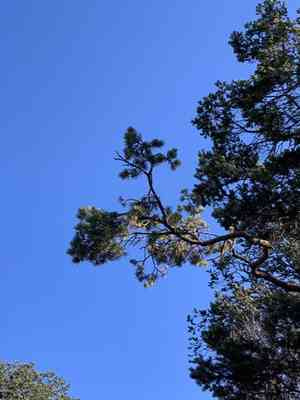
1
Pinyon pine yields highly nourishing seeds, commonly called pine nuts, which are packed with nutrients.
2
This particular plant type is vital for stopping soil degradation and preserving ecological equilibrium.
3
Pinyon pine finds utility in diverse environmentally sound uses, ranging from garden design to natural medicines.
What Makes Pinyon pine So Special?
Nutrient-Rich Pine Nuts
A notable characteristic of Pinyon pine is its production of pine nuts. These seeds are remarkably abundant in essential vitamins and minerals like magnesium, iron, and vitamin E. Furthermore, pine nuts supply beneficial fats and protein, making them a wholesome snack or component in various culinary preparations. Their high nutritional content supports overall wellness, contributing to enhanced energy levels, improved cardiovascular health, and even assisting in weight management.
Environmental Impact
Pinyon pine plays a crucial role in preventing soil erosion, thanks to its extensive root system that anchors the earth. This plant also helps maintain the equilibrium of the local ecosystem by offering habitat and sustenance for various animals and insects. Its presence aids in sustaining biodiversity, making it an invaluable element in both natural landscapes and managed settings.
How Can Pinyon pine Be Used in Everyday Life?
Gardening and Landscaping
In landscaping, Pinyon pine is valued for its robust nature and aesthetic appeal. Its capacity to flourish in demanding conditions makes it an excellent option for xeriscaping, a landscaping technique designed to minimize or eliminate the need for irrigation. The plantâs evergreen foliage provides year-round greenery, enhancing the visual charm of gardens and parks.
Herbal and Natural Remedies
Beyond its nutritional advantages, Pinyon pine has been historically employed in various natural remedies. While itâs vital to consult reliable sources and experts before use, parts of the plant have been utilized for their potential anti-inflammatory and invigorating properties. This positions Pinyon pine as a valuable resource in creating eco-friendly and holistic products.
What Are the Ecological Benefits of Pinyon pine?
Supporting Wildlife
Pinyon pine is essential for sustaining local wildlife, providing food and shelter to creatures such as birds, squirrels, and insects. The seeds, in particular, are a primary food source for many species, helping maintain the survival of diverse fauna. Moreover, by assisting in sustaining natural habitats, Pinyon pine contributes to broader ecological well-being.
Combating Environmental Degradation
The strong root system of Pinyon pine helps in preventing soil erosion, thereby playing a significant part in combating environmental degradation. This makes it an excellent plant for areas susceptible to erosion and land degradation. Furthermore, by stabilizing soil, it helps retain moisture and nutrients, which are vital for the growth of other plants and the overall health of the ecosystem.
How Does Pinyon pine Adapt to Different Climates?
Adapting to Arid Conditions
Pinyon pine demonstrates exceptional adaptability to various climates, especially arid and semi-arid regions. Its drought-resistant nature allows it to survive with minimal water, making it an ideal plant for areas with water scarcity. This adaptability ensures its survival and continued provision of ecological benefits in challenging environments.
Cold Climate Resilience
In addition to thriving in arid conditions, Pinyon pine exhibits significant resilience in colder climates. Its hardy nature allows it to withstand harsh winter temperatures, making it a versatile plant for diverse environments. This resilience not only helps maintain green cover in varied climatic conditions but also ensures continuous support to local wildlife and ecosystems year-round.
What Are the Potential Uses of Pinyon pine in Sustainable Practices?
Sustainable Forestry
Pinyon pine offers considerable potential in sustainable forestry practices. Its ability to grow in less fertile soils reduces the need for extensive soil preparation, conserving resources and minimizing environmental impact. Additionally, the timber from Pinyon pine can be used in various sustainable building projects, offering a renewable and eco-friendly material alternative.
Biofuel Potential
Research suggests that Pinyon pine could be utilized in producing biofuel, presenting another avenue for sustainable use. As an abundant and renewable resource, it provides an alternative to fossil fuels, contributing to cleaner energy solutions. This can help in reducing greenhouse gas emissions, aligning with global efforts toward sustainable energy practices.



