The Sand pine Plant Advantage: Maximizing Home and Office Appeal and Wellness
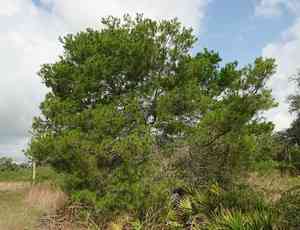
1
Sand pine tolerates dry conditions well, making it perfect for arid environments.
2
This tree's sap has a history of diverse practical uses.
3
Sand pine offers crucial living space for many different animal types.
What Are the Environmental Advantages of Sand pine?
Drought Resilience and Environmental Adaptability
Sand pine flourishes in dry, sandy soils, making it a valuable asset for drought-prone landscapes. Its capacity to survive in poor soil conditions enhances its role in preventing soil erosion and maintaining groundwater levels. Additionally, the plant's strong root system helps stabilize the soil, reducing the risk of landslides in sloped areas.
Supporting Biological Diversity
Sand pine plays a vital role in fostering biodiversity. Its canopy offers shade and refuge for various plants and animals. Birds, insects, and mammals depend on Sand pine for nesting and sustenance, making it an essential part of the ecosystem. By sustaining wildlife habitats, Sand pine supports ecological balance and promotes the natural life cycle of many species.
How Can Sand pine Be Utilized for Practical Applications?
Source of Resin and Timber
The resin extracted from Sand pine has been historically used for multiple purposes, including sealing, waterproofing, and as an adhesive. The wood of Sand pine is often employed in construction, especially for crafting furniture, flooring, and even in the paper industry. Its lightweight and durable nature make it a favorable choice for various commercial products.
Landscaping and Decorative Use
Due to its adaptability and minimal upkeep requirements, Sand pine is an excellent option for landscaping in urban and suburban areas. It can be planted in parks, gardens, and along streets to enhance aesthetic appeal and provide environmental benefits such as air purification and shade. Its evergreen foliage ensures year-round greenery, contributing to the beautification of public spaces.
What Are the Sustainability Benefits of Cultivating Sand pine?
Carbon Sequestration
Sand pine contributes significantly to carbon sequestration, helping mitigate the effects of climate change. By absorbing carbon dioxide from the atmosphere and storing it in its biomass, Sand pine plays a crucial role in reducing greenhouse gas concentrations. This process not only aids in combating climate change but also improves air quality.
Resource Efficiency
The growth cycle of Sand pine is relatively rapid, making it a renewable resource. Its ability to grow in nutrient-poor soils reduces the need for fertilizers and other chemical inputs. This efficiency means that Sand pine can be cultivated with lower environmental impact, conserving resources and promoting sustainable land use practices.



