The Bunge's pine Plant Advantage: Maximizing Home and Office Appeal and Wellness
1
Bunge's pine is an attractive decorative tree featuring distinctive bark, making it a sought-after choice for garden design.
2
This tree offers ecological advantages, such as cleansing the air and securing the ground.
3
Bunge's pine grows slowly but can survive for many years, representing a lasting addition to your outdoor space.
Why Select Bunge's pine for Your Outdoor Space?
Visual Appeal
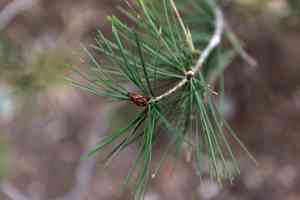
Bunge's pine is celebrated for its striking, peeling bark that reveals a mosaic of hues, from green to brown to cream. This distinct characteristic makes it a focal point in any garden, offering year-round beauty and visual interest. The tree's conical form and rich green needles enhance its aesthetic, integrating smoothly with various landscape designs.
Minimal Upkeep
A key benefit of Bunge's pine is its undemanding care requirements. Once rooted, this tree resists drought and flourishes in diverse soil conditions. Its gradual growth rate means it needs little pruning, making it an ideal choice for busy gardeners. Furthermore, it resists many pests and diseases, ensuring it stays healthy and vibrant with minimal intervention.
Ecological Advantages of Bunge's pine
Air Purification
Bunge's pine plays a vital role in enhancing air quality. Its dense foliage acts as a natural air filter, trapping dust, pollutants, and other airborne particles. This makes it an excellent option for urban gardens where air contamination can be a concern. By planting Bunge's pine, you contribute to a cleaner, healthier environment.
Soil Stabilization
The robust root system of Bunge's pine is highly effective at preventing soil erosion. This makes it an ideal tree for planting on slopes and hillsides, where ground stability is crucial. The roots bind the soil, reducing the risk of landslides and promoting better water retention, which benefits the surrounding ecosystem.
How to Nurture Bunge's pine in Your Garden
Planting Instructions
When planting Bunge's pine, it's crucial to select a spot with well-drained soil and full sun to partial shade. Dig a hole that's twice the width of the root ball but no deeper. After placing the tree in the hole, fill it with native soil mixed with compost to encourage robust growth. Water thoroughly to settle the soil and remove air pockets.
Watering and Feeding
Although Bunge's pine is drought-tolerant, it's essential to water it regularly during its initial years to establish a strong root system. Once mature, it can endure dry spells but will benefit from occasional deep watering, especially during prolonged periods of drought. Fertilize in early spring with a balanced, slow-release fertilizer to provide essential nutrients for optimal growth.
Frequent Inquiries About Bunge's pine
Is Bunge's pine Suitable for Compact Gardens?
Due to its slow growth rate and manageable size, Bunge's pine is appropriate for both large and small gardens. Its striking appearance can make a significant impact even in confined spaces, serving as a focal point in your landscape design.
Can Bunge's pine Be Cultivated in Pots?
While Bunge's pine is typically planted in the ground, it can be grown in large containers, provided it receives adequate care. Ensure the container has sufficient drainage holes and use a well-draining soil mix. Regular watering and annual fertilization are essential to keep the tree healthy in a container environment.



