The Jack pine Plant Advantage: Maximizing Home and Office Appeal and Wellness
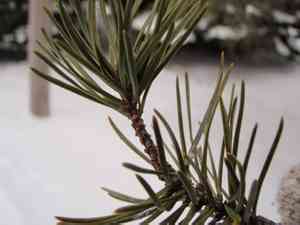
1
Jack pine exhibits great versatility and flourishes in infertile, sandy ground.
2
It offers crucial living space for a variety of animal species.
3
Jack pine assists in stopping soil degradation and contributes to land stability.
How Does Jack pine Improve Soil Quality?
Tolerance to Inferior Soils
Jack pine is a robust species, able to flourish in nutrient-poor, sandy substrates where other plants struggle. Its root system aids in breaking up compacted earth, boosting aeration and water penetration. This resilience makes it an excellent choice for reforesting damaged land.
Erosion Prevention
The strong root system of Jack pine is crucial in preventing soil erosion. By anchoring the ground, it helps maintain land stability, particularly in areas prone to erosion. This makes it ideal for regions experiencing rapid topsoil loss due to wind and water.
What is the Environmental Impact of Jack pine?
Wildlife Sanctuary
Jack pine stands are essential habitats for various animal species. Birds, mammals, and insects find refuge and sustenance within these stands, thereby supporting biodiversity. The dense foliage offers nesting sites, while the seeds serve as a food source for creatures like squirrels and birds.
Biodiversity Enhancement
Introducing Jack pine into an ecosystem can foster biodiversity by providing a home for a wide array of plants and animals. Its presence in mixed forests can encourage diverse species to thrive, promoting a balanced and varied ecosystem.
Can Jack pine Be Used in Landscape Design?
Visual Appeal
Jack pine possesses a distinct look, with gnarled trunks and needles that add texture and visual interest to outdoor spaces. Its unique appearance makes it a favorite for naturalistic and water-wise garden designs. Furthermore, its ability to grow in poor soils makes it a versatile option for challenging landscaping situations.
Low Upkeep
Once established, Jack pine requires minimal care. It is drought-tolerant and resistant to many pests and diseases, making it an excellent low-maintenance choice for both public and private green areas.
How Does Jack pine Contribute to Conservation Efforts?
Reforestation Programs
Jack pine is frequently used in reforestation projects due to its hardiness and rapid growth rate. Its capacity to colonize poor and disturbed soils makes it an ideal candidate for restoring degraded lands and promoting ecosystem recovery.
Climate Change Mitigation
As a conifer, Jack pine plays a role in absorbing carbon dioxide, helping to alleviate climate change. Its long lifespan and substantial biomass mean it continues to capture and store carbon over many years, contributing to long-term carbon sequestration initiatives.
Why is Jack pine Economically Significant?
Lumber Production
Jack pine is valued for its timber, which is utilized in various construction and manufacturing processes. Its wood is light, strong, and decay-resistant, making it suitable for numerous applications, from lumber to pulpwood.
Economic Opportunities
Beyond timber, Jack pine offers economic opportunities in terms of ecotourism and recreation. Forests dominated by Jack pine provide recreational activities such as bird watching, hiking, and wildlife photography, contributing to local economies.



