The Red spruce Plant Advantage: Maximizing Home and Office Appeal and Wellness
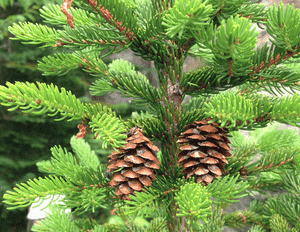
1
Red spruce offers vital living space for many avian species.
2
Its timber is greatly prized in building and pulp sectors.
3
Red spruce is key to healthy watersheds and stable ground.
What Are the Ecological Advantages of Red spruce?
Wildlife Sanctuary
Red spruce acts as a vital home for diverse animal species, including avian, mammalian, and insect life. Its dense foliage provides nesting locations and protective cover, making it a key element of woodland ecosystems. Birds like the black-throated green warbler and the red crossbill depend on Red spruce woodlands for reproduction and sustenance, while mammals such as the red squirrel find refuge and nourishment among its branches and cones.
Contribution to Water System Health
Red spruce plays a crucial role in maintaining the well-being of water systems. Its extensive root networks help stabilize soil, lowering the risk of erosion and safeguarding water quality. By capturing rainfall and enabling gradual absorption into the ground, Red spruce forests aid in replenishing aquifers and regulating streamflow. This, in turn, supports aquatic environments and supplies clean water for human consumption and agricultural purposes.
What Financial Advantages Does Red spruce Provide?
Lumber and Timber Products
Red spruce is highly valued for its wood, which is utilized in various sectors, including construction, furniture manufacturing, and paper production. The timber is prized for its strength, durability, and visual appeal. Harvesting Red spruce can generate substantial revenue for local economies, supporting employment in logging, milling, and fabrication. Responsible management practices ensure these financial gains can be realized without harming the forest's health.
Non-Woodland Forest Goods
Beyond timber, Red spruce offers a variety of non-woodland forest products (NWFPs) that contribute to local economies. These include items such as resin, which has uses in adhesives and varnishes, and medicinal plants that thrive in Red spruce forests. Collecting NWFPs can provide additional income for forest-dependent communities and encourage the sustainable use of forest resources.
What Are the Cultural and Leisure Benefits of Red spruce?
Cultural Importance
Red spruce holds cultural significance for numerous indigenous and local populations. It frequently appears in traditional customs, folklore, and ceremonies. For instance, some cultures use parts of Red spruce in rituals or as symbols of resilience and endurance. Acknowledging and respecting these cultural ties is essential for fostering a deeper appreciation of Red spruce and its role in human heritage.
Recreational Opportunities
Red spruce forests offer abundant leisure activities, including hiking, bird watching, and nature photography. The presence of Red spruce enhances the aesthetic beauty of natural landscapes, attracting tourists and outdoor enthusiasts. These pursuits not only provide physical and mental health advantages but also contribute to local economies through tourism-related spending on lodging, food, and services.
How Can We Promote the Preservation of Red spruce?
Sustainable Forestry Methods
Promoting sustainable forestry methods is vital for the preservation of Red spruce. This encompasses selective logging, reforestation, and the safeguarding of old-growth stands. By adopting these practices, we can ensure that Red spruce forests continue to provide their valuable benefits for future generations.
Community Engagement and Education
Community involvement and education are crucial for the successful preservation of Red spruce. Engaging local communities in conservation efforts and raising awareness about the importance of Red spruce can foster a sense of stewardship and encourage sustainable practices. Educational programs can also highlight the ecological, economic, and cultural significance of Red spruce, promoting greater public support for its protection.



