The Blue spruce Plant Advantage: Maximizing Home and Office Appeal and Wellness
1
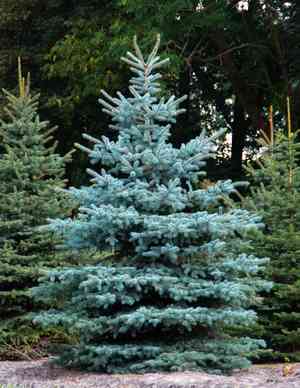
The blue spruce is recognized for its vivid blue-green foliage and impressive look.
2
It offers superb wind protection and visual barriers in garden designs.
3
Blue spruce demonstrates strong resistance to diverse harsh weather patterns.
What Are the Visual Benefits of Blue spruce?
Distinctive Needle Hue and Texture
Blue spruce is celebrated for its vivid blue-green needles, offering a unique and aesthetically pleasing look all year. Its characteristic color distinguishes it from other evergreens, making it a focal point in any garden or outdoor space. The needles are also densely arranged, contributing to the tree's lush and full appearance, thereby enhancing the overall beauty of your area.
Adaptable Landscaping Applications
Blue spruce is highly adaptable in landscaping, serving various purposes from individual specimen trees to group plantings. Its elegant form and striking color make it an excellent choice for creating focal points, anchoring garden beds, or adding vertical interest to landscape designs. Whether used alone or as part of a mixed evergreen planting, Blue spruce captures attention and boosts curb appeal.
How Does Blue spruce Enhance Environmental and Practical Benefits?
Excellence in Wind Barriers and Privacy Screens
Blue spruce is an outstanding option for establishing windbreaks and privacy screens due to its dense, sturdy structure. The tree's thick foliage acts as a shield against strong winds, reducing wind speeds and safeguarding other plants and structures in your garden. When planted in rows, Blue spruce offers an effective and attractive solution for increasing privacy, obscuring undesirable views, and creating secluded outdoor areas.
Resistance to Harsh Weather Conditions
Blue spruce stands out for its ability to withstand various adverse weather conditions. It thrives in diverse climates, including regions with cold winters, hot summers, and fluctuating weather patterns. Its adaptability makes it a dependable choice for landscaping projects in areas prone to severe weather, ensuring your landscape remains appealing and functional throughout the year.
What Are the Soil and Water Requirements of Blue spruce?
Soil Preferences and Nutritional Needs
Blue spruce prefers well-drained, slightly acidic to neutral soil for optimal growth. While it can adapt to a range of soil types, including sandy and clay soils, ensuring proper drainage is vital to prevent root rot. Enriching the soil with organic matter can boost its nutrient content, promoting healthier and more vigorous tree development.
Watering Guidelines for Robust Growth
Sufficient watering is crucial for the healthy development of Blue spruce, especially during its initial establishment phase. Regular irrigation helps maintain soil moisture levels, supporting root growth. However, once mature, Blue spruce becomes relatively drought-tolerant, requiring only occasional watering during prolonged dry periods. Ensuring consistent moisture without waterlogging is key to fostering its resilience and longevity.
How to Care for Blue spruce Throughout the Year
Pruning and Maintenance Practices
Pruning Blue spruce helps maintain its form and encourages healthy development. Regularly removing dead or damaged branches prevents disease spread and improves air circulation within the tree's canopy. Light pruning during late winter or early spring can enhance its aesthetic appeal, while more intensive pruning might be necessary to control overgrowth and maintain the desired shape.
Pest and Disease Management
Although Blue spruce is generally robust, it can be susceptible to pests like aphids and diseases such as needle cast. Monitoring the tree regularly for signs of infestation or disease helps address any issues promptly. Integrated Pest Management (IPM) strategies, including the use of natural predators and neem oil sprays, can effectively control pests without harming the environment.



