The Serbian spruce Plant Advantage: Maximizing Home and Office Appeal and Wellness
1
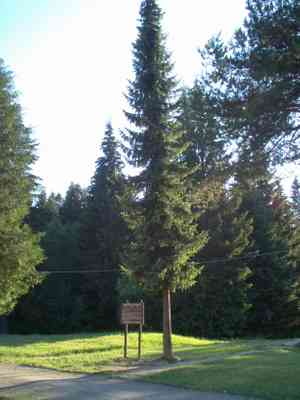
The Serbian spruce is an evergreen conifer recognized for its appealing look.
2
This tree flourishes in diverse soil types, making it adaptable for garden design.
3
It offers continuous foliage and a sanctuary for local fauna throughout the year.
Why Opt for Serbian Spruce in Your Garden?
Visual Appeal
Serbian spruce lends a distinct, graceful touch to any outdoor space. Its slender, conical form and gently drooping branches create a visually striking presence. The tree's needles, green with a blue tint, sparkle in the sun, adding depth and charm to your garden throughout the year.
Effortless Upkeep
Serbian spruce is renowned for its minimal maintenance, a quality highly valued by gardeners. Once rooted, it needs little watering or fertilization. Furthermore, its resistance to common pests and diseases reduces the need for chemical interventions, making it an excellent choice for sustainable gardening.
How Does Serbian Spruce Benefit the Environment?
Air Quality Enhancement
Serbian spruce plays a vital role in improving air quality. Its dense foliage acts as a natural air purifier, capturing dust, pollen, and other airborne pollutants. Moreover, the tree absorbs carbon dioxide and releases oxygen, contributing to a cleaner, healthier atmosphere.
Soil Erosion Prevention
Serbian spruce's extensive root system helps stabilize soil, making it an effective defense against soil erosion, particularly in sloped or degraded areas. By planting Serbian spruce, you can bolster the structural integrity of the soil, preventing landslides and fostering healthier land.
What Are the Wildlife Advantages of Serbian Spruce?
Habitat for Birds and Small Creatures
Serbian spruce offers an excellent habitat for various bird species and small animals. Its thick branches provide shelter and nesting spots, while its needles and bark host insectsâa crucial food source for birds. Planting Serbian spruce can attract diverse wildlife to your garden, fostering a vibrant ecosystem.
Food Source
Beyond providing shelter, Serbian spruce produces seeds that serve as sustenance for birds and small mammals. This contribution to the food chain supports local wildlife populations and promotes biodiversity in your area.
Which Soil and Climate Conditions Suit Serbian Spruce?
Adaptable Soil Compatibility
One of the key features of Serbian spruce is its ability to adapt to various soil types. Whether your garden has clay, loamy, or sandy soil, Serbian spruce can flourish as long as the soil drains well. This versatility makes Serbian spruce a viable option for diverse landscaping projects.
Climate Resilience
Serbian spruce is well-suited to a range of climatic conditions, from temperate to colder regions. It is robust and can endure frost and snow, making it an ideal choice for areas with harsh winters. Additionally, Serbian spruce's capacity to tolerate drought once established further highlights its hardiness.
How to Properly Plant and Care for Serbian Spruce?
Planting Guidelines
Select a well-drained location with ample sunlight for planting Serbian spruce. Dig a hole twice as wide and as deep as the root ball. Position the tree in the hole, ensuring the root collar is level with the ground. Backfill with native soil and water thoroughly to settle the roots.
Ongoing Maintenance
Serbian spruce requires minimal care once established. Water the tree regularly during its initial year to help it develop a strong root system. Mulching around the base can help retain moisture and suppress weeds. Pruning is seldom necessary but can be done to shape the tree or remove any damaged branches.



