The Common ninebark Plant Advantage: Maximizing Home and Office Appeal and Wellness
1
The common ninebark is recognized for its attractive, exfoliating bark, which enhances the visual appeal of any landscape.
2
This species exhibits great versatility, flourishing across various soil compositions and environmental settings.
3
Common ninebark offers superb shelter for local fauna, fostering a thriving and dynamic ecosystem within your property.
Why is Common Ninebark an Excellent Addition to Your Garden?
Visual Appeal
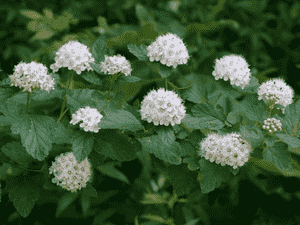
A key characteristic of Common Ninebark is its distinctive bark, which exfoliates in layers. This feature not only adds visual interest throughout the year but also introduces textural diversity to your landscape. The leaves vary in hue from green to deep red, depending on the cultivar, offering additional decorative options. Moreover, the plant produces clusters of white or pink blossoms in spring and early summer, followed by red or brown seed pods, making it an attractive feature across multiple seasons.
Minimal Upkeep Requirements
Common Ninebark demands very little maintenance, making it an ideal selection for both new gardeners and those with busy schedules. It is drought-tolerant once established, needing infrequent watering. Furthermore, this plant is not particular about soil types; it can flourish in various conditions, from well-drained earth to heavy clay. Its resistance to most pests and diseases further reduces the need for constant monitoring and intervention, allowing you to enjoy a beautiful garden with less effort.
How Does Common Ninebark Benefit Local Wildlife?
Habitat Provision
Common Ninebark serves as an excellent sanctuary for various wildlife species. Its dense foliage offers cover to birds and small mammals, providing them with a secure place to nest and hide from predators. Additionally, the plant's seeds provide a food source for birds, especially during colder months when other food options might be scarce.
Pollinator Attraction
The blooms of Common Ninebark are not only beautiful; they also play a crucial role in supporting pollinators like bees and butterflies. These insects are essential for the fertilization of many plants, including those in your garden. By cultivating Common Ninebark, you are contributing to a healthier ecosystem, ensuring that pollinators have the resources they need to thrive.
Why is Common Ninebark a Highly Adaptable Plant Choice?
Adaptability to Diverse Environments
Common Ninebark is well-known for its versatility. Whether planted in full sun or partial shade, this plant will grow robustly, making it suitable for various garden settings. It can withstand a range of soil types and pH levels, allowing for flexibility in its placement within your garden. This adaptability makes it a practical choice for filling empty spaces or providing structure in diverse landscaping projects.
Landscaping Applications
Given its aesthetic and practical advantages, Common Ninebark is a popular option for a variety of landscaping uses. It can be utilized as a hedge or screen due to its dense growth habit, offering privacy and wind protection. Additionally, its ability to retain foliage throughout the season makes it an excellent choice for foundation plantings and mixed borders. Its multi-seasonal appeal, from flowers to foliage to bark, ensures that it remains attractive year-round.



