The Yellow groove bamboo Plant Advantage: Maximizing Home and Office Appeal and Wellness
1
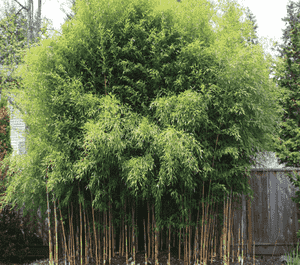
Phyllostachys aureosulcata exhibits swift growth, making it ideal for rapid landscape development.
2
It shows great versatility across different soil conditions and weather patterns.
3
This species is effective for creating natural visual barriers and wind protection.
Why Consider Cultivating Yellow Groove Bamboo?
Ecological Advantages
Yellow groove bamboo provides numerous ecological benefits, making it an environmentally sound choice for your garden. A key characteristic is its swift growth, allowing it to absorb more carbon dioxide than many other plants. Furthermore, its dense, fibrous root system aids in preventing soil erosion, thereby preserving soil health.
Adaptability and Durability
A prominent attribute of Yellow groove bamboo is its capacity to adjust to diverse soil types and climatic conditions. Regardless of whether your soil is sandy, loamy, or clayey, Yellow groove bamboo is expected to flourish. Its resistance to pests and diseases further boosts its appeal as a low-maintenance plant.
Practical Applications of Yellow Groove Bamboo
Natural Seclusion Barriers
If privacy is a concern, Yellow groove bamboo can function as an effective natural screen. Its thick, tall growth forms a natural barrier, obstructing undesirable views and diminishing noise levels. This makes it a perfect option for urban gardens as well as larger landscapes.
Windbreaks and Sound Reduction
The dense foliage of Yellow groove bamboo also serves as an excellent windbreak, offering protection from strong gusts. This not only safeguards other plants in your garden but also enhances the comfort of your outdoor area. Additionally, its capacity to absorb sound waves can significantly lower ambient noise, creating a more peaceful garden environment.
Financial Advantages
Economical Landscaping
Due to its rapid growth, Yellow groove bamboo can quickly cover large areas, making it a cost-effective choice for landscaping projects. Its minimal upkeep requirements mean less time and money spent on maintenance. Moreover, its versatility allows it to be incorporated into various landscape designs, from decorative borders to larger garden features.
Horticultural and Craft Applications
Yellow groove bamboo is not merely a functional plant but also offers various uses in horticulture and crafts. Its sturdy culms can be harvested for constructing garden structures like trellises or even furniture. Its aesthetic appeal also makes it a popular selection for creating natural decorations.
How to Care for Yellow Groove Bamboo?
Optimal Growth Conditions
Yellow groove bamboo thrives best in well-drained soil with moderate moisture. While it adapts to different soil types, ensuring the soil remains moist but not waterlogged will encourage optimal growth. A sunny to partially shaded location is ideal for its development.
Routine Upkeep
While Yellow groove bamboo is relatively low-maintenance, regular pruning is crucial to maintain its shape and promote healthy growth. Removing dead or damaged stems will help the plant direct its energy towards producing new shoots. Additionally, applying a balanced fertilizer during the growing season can further enhance its vigor.
Common Issues and Resolutions
Managing Spreading Growth
One of the challenges of cultivating Yellow groove bamboo is its potential for invasive growth if not properly managed. Installing root barriers can help contain its spread. Consistent monitoring and pruning will also keep its growth in check.
Pest and Disease Management
Although Yellow groove bamboo is generally resilient, it can occasionally attract pests like bamboo mites. In such instances, using organic neem oil or insecticidal soap can effectively control infestations. Promptly monitoring for signs of disease and addressing them will ensure your plant remains healthy.



