The New zealand flax Plant Advantage: Maximizing Home and Office Appeal and Wellness
1
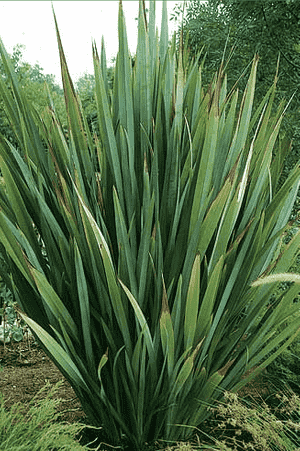
Phormium, or New Zealand flax, is recognized for its adaptability across diverse uses, such as landscaping and artistic endeavors.
2
This species is celebrated for its minimal care requirements and strong resilience to varied environmental conditions.
3
New Zealand flax offers ecological advantages through improving ground health and averting soil degradation.
Why is New Zealand Flax So Adaptable?
Tolerance to Diverse Climates
A key attribute of New Zealand flax is its capacity to thrive in varied weather conditions. Whether your region experiences severe winters or hot summers, this plant can flourish with minimal attention. Its robust nature makes it an excellent option for gardeners who may not possess extensive horticultural skills.
Minimal Upkeep Requirements
New Zealand flax is a low-maintenance plant, needing little more than occasional watering and trimming. It resists pests and diseases, reducing the necessity for chemical treatments. This not only saves time but also promotes a healthier environment.
How Does New Zealand Flax Enhance Soil Quality?
Improving Soil Structure
New Zealand flax possesses deep, fibrous roots that help aerate the soil and enhance its composition. This can be especially beneficial in areas with dense, compacted soils. The improved soil structure allows for better water absorption and root development, fostering a more favorable environment for other plants.
Preventing Soil Erosion
The extensive root system of New Zealand flax helps anchor soil, making it an effective method for preventing erosion. This is particularly useful in areas prone to heavy rainfall or on sloped terrain where soil might otherwise be washed away. By stabilizing the soil, New Zealand flax contributes to the ecosystem's overall health.
What Are the Practical Applications of New Zealand Flax?
Crafts and Weaving
The leaves of New Zealand flax are long and sturdy, making them ideal for weaving and crafting. Historically, they were used to create baskets, mats, and even clothing. Today, artisans continue to utilize New Zealand flax leaves in various crafts, leveraging their durability and aesthetic appeal.
Natural Fencing and Privacy Screens
New Zealand flax can also serve as a natural fence or privacy screen. Its tall, dense growth forms an effective barrier, offering privacy and protection from wind. This makes it a popular choice for enhancing outdoor spaces without the need for artificial materials.
How Does New Zealand Flax Contribute to Biodiversity?
Supporting Local Wildlife
By cultivating New Zealand flax in your garden, you can support local wildlife. The plant provides shelter and sustenance for various insects and birds, contributing to biodiversity. This can create a more vibrant and dynamic ecosystem within your garden.
Attracting Pollinators
The blooms of New Zealand flax are known to draw in pollinators such as bees and butterflies. These pollinators play a vital role in your garden's health, aiding in the fertilization of other plants and promoting overall ecological balance.



