The Shrubby jerusalem sage Plant Advantage: Maximizing Home and Office Appeal and Wellness
1
Shrubby Jerusalem sage exhibits remarkable tolerance to arid conditions, making it ideal for dry environments.
2
This species draws helpful pollinators such as bees and butterflies to your outdoor space.
3
Shrubby Jerusalem sage serves as a decorative plant, enhancing visual appeal through its distinctive leaves and colorful blooms.
Why is Shrubby jerusalem sage an Ideal Plant for Arid Regions?
Exceptional Drought Tolerance
A key characteristic of Shrubby jerusalem sage is its remarkable capacity to flourish in dry conditions. Its native environment includes Mediterranean climates, where water scarcity is a frequent challenge. The plant's leaves are designed to retain moisture effectively, enabling it to endure and even thrive in parched settings. This resilience to drought makes Shrubby jerusalem sage an invaluable asset for xeriscaping projects and gardens focused on water conservation.
Adaptability to Infertile Soil Conditions
Beyond its drought resistance, Shrubby jerusalem sage is recognized for its ability to adapt to diverse soil types, including impoverished and stony ground. This trait makes it a versatile option for gardens that struggle with nutrient-deficient substrates. By incorporating Shrubby jerusalem sage into your garden, you can enhance the beauty of those difficult-to-grow areas and foster a more robust and varied plant ecosystem.
How Does Shrubby jerusalem sage Benefit Local Fauna?
Attracting Pollinators
Shrubby jerusalem sage plays a vital role in supporting local wildlife, especially pollinators such as bees and butterflies. Its vibrant yellow blooms are rich in nectar, providing a valuable food source for these beneficial insects. By cultivating Shrubby jerusalem sage, you are not only improving your garden's visual appeal but also contributing to the health of the local pollinator population, which is essential for maintaining biodiversity and supporting food production.
Offering Sanctuary for Small Creatures
In addition to drawing pollinators, Shrubby jerusalem sage provides refuge and habitat for various small animals. Its dense foliage offers a secure haven for insects and even small birds, creating a micro-ecosystem within your garden. This biodiversity enriches your outdoor space, making it a vibrant and engaging environment for observation and enjoyment.
What Are the Aesthetic Advantages of Shrubby jerusalem sage?
Distinctive Foliage and Vivid Flowers
Shrubby jerusalem sage is valued for its visual appeal, featuring unique leaves and striking yellow blossoms. The foliage is typically woolly and gray-green, creating a beautiful contrast with the bright flowers. This characteristic appearance can add texture and color to any garden, making Shrubby jerusalem sage an excellent focal point or complementary plant in mixed borders and rock gardens.
Year-Round Appeal
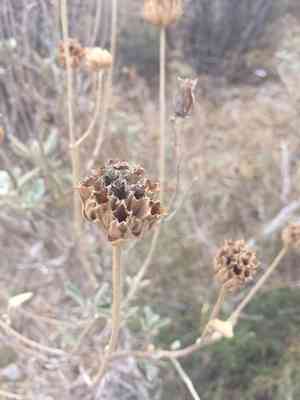
Another aesthetic benefit of Shrubby jerusalem sage is its capacity to provide visual interest throughout the year. While the plant is evergreen, its peak flowering season from late spring to early summer brings a burst of floral color that can uplift any garden's look. As the flowers fade, the seed heads add another layer of visual interest, ensuring that Shrubby jerusalem sage remains an attractive element of your landscape even outside of its blooming period.
How to Grow and Maintain Shrubby jerusalem sage?
Planting Site and Soil Preparation
To achieve optimal results with Shrubby jerusalem sage, select a sunny location with well-draining soil. Although the plant can endure poor soils, enhancing the soil's drainage with organic matter like compost can improve its growth and flowering performance. Planting Shrubby jerusalem sage on a gentle slope or raised bed can further assist in preventing waterlogging, which the plant does not tolerate well.
Irrigation and Upkeep
Once established, Shrubby jerusalem sage requires minimal watering. Initial care should involve consistent watering until the plant is well-rooted. Subsequently, reduce irrigation to an as-needed basis, allowing the soil to dry out between waterings. Pruning dead or damaged stems can help maintain a neat appearance and encourage new growth, while minimal fertilization is necessary, as excessive nutrients can lead to leggy development.



