The Dragon's blood Plant Advantage: Maximizing Home and Office Appeal and Wellness
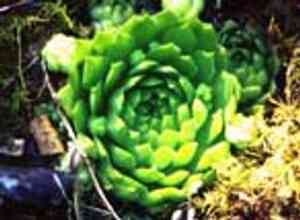
1
Dragon's blood, a robust ground cover, flourishes in bright sunlight and moderate shade.
2
Its vivid red leaves are highly valued, bringing a lively hue to your garden.
3
This plant demands little upkeep, making it an ideal option for gardeners with limited time.
Why Dragon's Blood is an Essential Plant
Visual Allure
A primary reason to incorporate Dragon's Blood into your garden is its captivating appearance. The plant showcases deep red leaves, offering a striking contrast against other greenery and hues in your landscape. Whether utilized as ground cover or a central feature in rock gardens, Dragon's Blood introduces a vibrant splash of color, enhancing any outdoor area.
Arid Condition Tolerance
Dragon's Blood exhibits remarkable drought tolerance, making it an ideal selection for dry climates or regions facing water restrictions. Once established, the plant demands minimal irrigation, which not only reduces water expenses but also lessens your ecological footprint. Its capacity to flourish with little water positions it as a sustainable option for environmentally conscious gardeners.
How Dragon's Blood Boosts Garden Health
Soil Erosion Prevention
Dragon's Blood possesses a dense root system that aids in stabilizing soil, rendering it an effective choice for erosion control. Planting Dragon's Blood on inclines or in areas prone to runoff can significantly decrease soil erosion, helping to preserve your landscape's integrity. This advantage is particularly valuable in locales experiencing heavy rainfall.
Enhancing Soil Quality
Dragon's Blood can also contribute to the overall vitality of your soil. Its thick foliage provides a natural mulch that decomposes over time, enriching the soil with organic matter. This process can improve soil structure, boost nutrient availability, and support the growth of other plants within your garden.
Why Dragon's Blood is Ideal for Low-Effort Gardens
Minimal Maintenance
If you seek a plant requiring little attention, Dragon's Blood is an excellent choice. This resilient plant needs very little care, thriving across various soil types and light conditions. Occasional trimming to maintain its form and the removal of dead leaves are typically all that's necessary to keep Dragon's Blood looking its best.
Pest and Disease Resistance
Another significant benefit of Dragon's Blood is its immunity to common garden pests and diseases. Unlike many plants that demand frequent treatments and interventions, Dragon's Blood remains largely unaffected by most pests and fungal infections. This resilience further diminishes the need for upkeep and chemical controls, simplifying your gardening routine and making it more eco-friendly.
Utilizing Dragon's Blood in Home Decor
Indoor Cultivation
While Dragon's Blood is typically grown outdoors, its robust nature and attractive appearance make it suitable for indoor planting as well. Use Dragon's Blood in hanging baskets or pots placed near windows where they can receive ample sunlight. Its low maintenance and striking foliage can introduce a touch of nature and color to your interior spaces.
Terrariums and Miniature Gardens
Dragon's Blood is also a superb option for terrariums and fairy gardens. These small ecosystems benefit from Dragon's Blood's compact growth and low water requirements. The plant's distinctive red hues can create a captivating focal point in these tiny, imaginative garden arrangements. Furthermore, its hardiness ensures that your terrariums and fairy gardens remain easy to care for.
Optimal Practices for Growing Dragon's Blood
Ideal Planting Conditions
For the best results with Dragon's Blood, plant it in well-draining soil and ensure it receives abundant sunlight, though it can tolerate partial shade. While it flourishes in diverse soil types, adding compost can enhance its growth. Space the plants appropriately to allow for air circulation and to lessen the risk of mold or mildew.
Watering and Fertilizing
A key advantage of Dragon's Blood is its minimal water requirement. Water the plant sparingly once it is established, ensuring the soil dries out between watering sessions. Excessive watering can lead to root rot, so it's crucial to prevent waterlogged conditions. Regarding feeding, a balanced, slow-release fertilizer applied in the spring is generally sufficient to keep Dragon's Blood healthy and vibrant.



