The Parsley Plant Advantage: Maximizing Home and Office Appeal and Wellness
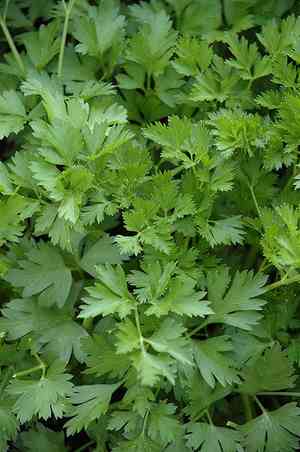
1
Parsley contains abundant vital nutrients, including Vitamin K and Vitamin C.
2
Eating Parsley often can aid in better digestion thanks to its significant fiber quantity.
3
Parsley serves as a flexible herb suitable for a wide array of cooking applications, ranging from broths to fresh greens.
Nutritional Content of Parsley
A Vitamin Powerhouse
Parsley is packed with crucial vitamins, notably Vitamin K, which is essential for blood coagulation and strong bones. Vitamin C is another important element that strengthens the immune system and acts as an antioxidant, safeguarding the body from harmful free radicals.
Rich in Minerals
This plant also provides vital minerals such as calcium, magnesium, and potassium. Calcium is crucial for bone integrity, magnesium supports muscle function, and potassium assists in blood pressure regulation. Incorporating Parsley into your diet can supply these key minerals that contribute to overall well-being.
Parsley's Role in Digestive Health
High Fiber Content
A prominent feature of Parsley is its substantial fiber content, which greatly benefits digestive wellness. Fiber intake promotes regular bowel movements, prevents constipation, and ensures the gastrointestinal system operates smoothly.
Enzymes and Oils
Beyond fiber, Parsley contains specific enzymes and oils that boost digestion. These compounds assist in breaking down food more efficiently, leading to improved nutrient absorption and mitigating digestive issues like bloating and gas.
Culinary Applications of Parsley
A Versatile Ingredient
Parsley can be incorporated into numerous dishes. Its fresh, slightly peppery taste makes it an excellent complement to soups, stews, and salads. It can serve as a garnish to enhance the visual appeal and flavor of any meal.
Preservation and Storage
To maximize Parsley's utility, proper preservation and storage are crucial. Fresh Parsley can be kept in the refrigerator in a container with a small amount of water, or it can be dried and stored to prolong its usability. This ensures a constant supply to enrich your culinary creations.
Why Parsley is Beneficial for Skin Health
Natural Antioxidants
Parsley contains inherent antioxidants that promote healthy skin. These antioxidants help protect the skin from damage caused by free radicals and environmental stressors, maintaining a youthful and vibrant complexion.
Boosts Collagen Production
The Vitamin C present in Parsley contributes to collagen synthesis, which is critical for skin elasticity and repair. Regular consumption of Parsley can foster healthier skin by supporting collagen formation and reducing signs of aging.
Can Parsley Aid in Weight Management?
Low-Calorie Addition
Parsley is a low-calorie herb, making it an excellent inclusion in a diet focused on weight management. Adding Parsley to meals can improve flavor without increasing calorie count, facilitating the maintenance of a healthy weight.
Diuretic Properties
Parsley possesses natural diuretic qualities, which can assist in reducing water retention and puffiness. This makes it a useful herb for those aiming to manage their weight and decrease swelling.
Cultivating Parsley at Home
Ideal Growing Conditions
Parsley flourishes in well-drained soil with ample sunlight. Whether you have a garden or a small indoor pot, providing the right conditions will help this plant thrive. Consistent watering and pruning are essential for its health and productivity.
Harvesting Tips
When gathering Parsley, it's best to snip the outer stems first, allowing the inner stems to continue developing. This not only provides a continuous yield but also encourages a bushier and more vigorous plant.



