The Empress tree Plant Advantage: Maximizing Home and Office Appeal and Wellness
1
The Empress tree is recognized for its swift development, making it well-suited for ecological restoration projects.
2
Empress tree's substantial foliage excels at absorbing atmospheric carbon dioxide.
3
The timber of the Empress tree is light, robust, and greatly valued for crafting furniture.
Successful Cultivation of Empress Trees
Swift Growth Pace
The Empress tree is well-known for its exceptionally quick development. Given ideal conditions, it can expand by 10-15 feet annually. This rapid development makes it perfect for reforestation efforts and combating deforestation.
Extensive Root System
The Empress tree's deep root structure aids in stabilizing soil and preventing erosion. This is particularly advantageous in regions experiencing soil degradation. Moreover, its roots can access deeper water sources, providing some drought tolerance.
Visual Appeal
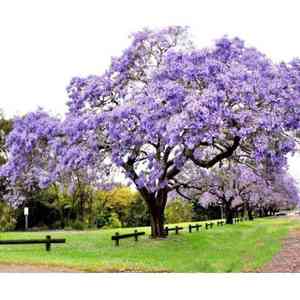
Beyond its practical advantages, the Empress tree is also valued for its beauty. Its large, heart-shaped foliage and striking purple blossoms make it a favored option for decorative planting in gardens and urban settings.
Why Select Empress Tree for Your Garden?
Carbon Capture
The Empress tree is highly effective at absorbing atmospheric carbon dioxide. Its large leaves possess a high photosynthetic rate, leading to more CO2 absorption and conversion into oxygen. This makes it a valuable ally against climate change.
Soil Enrichment
The fallen leaves of the Empress tree decompose quickly, enriching the soil with organic matter. This improves soil health and fertility, facilitating the growth of other plants. It can be especially useful in areas with poor soil quality.
Biodiversity Support
The Empress tree's flowers offer nectar to various pollinators, including bees and butterflies. This helps sustain local ecosystems by contributing to pollination and boosting biodiversity.
What Ecological Advantages Does Empress Tree Provide?
Premium Timber
Empress tree wood is light yet robust, making it highly sought after for furniture, musical instruments, and even boat construction. Its resistance to warping and cracking enhances its appeal, ensuring a profitable market for cultivators.
Agroforestry Potential
Empress tree can be cultivated alongside crops in agroforestry systems. Its deep roots do not compete with shallow-rooted plants, and its large leaves offer shade, which can benefit certain understory species. This dual-purpose use can boost land productivity and overall farm income.
Sustainable Resource
Due to its rapid growth, the Empress tree can be harvested and replanted within a relatively short timeframe. This establishes it as a sustainable and renewable timber source, lessening the strain on slower-growing tree varieties.
Potential Difficulties and Considerations
Invasive Tendencies
While the Empress tree offers many benefits, it is also considered invasive in some regions. Its rapid growth and prolific seed production can lead to uncontrolled spread, displacing native species. Proper management and control are crucial to prevent it from becoming a problem.
Water Needs
Although the Empress tree exhibits some drought resistance, it still requires a substantial amount of water during its initial growth phase. Ensuring a consistent water supply is vital for achieving optimal growth and realizing its full potential.
Initial Outlay
The initial cost of planting Empress trees can be relatively high, particularly for large-scale projects. However, the long-term benefits, both environmental and economic, often outweigh the upfront investment.



