The Klein grass Plant Advantage: Maximizing Home and Office Appeal and Wellness
1
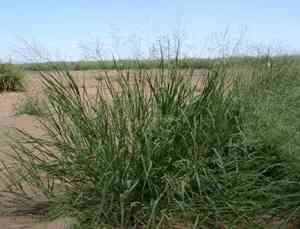
Klein grass withstands dry conditions well, perfect for dry areas.
2
Livestock benefit from this grass's superior nutritional value.
3
It contributes significantly to keeping soil in place.
Why is Klein grass Crucial for Agriculture?
Adaptability to Diverse Climates
Klein grass is celebrated for its remarkable ability to thrive in various weather conditions. Its resistance to drought makes it an invaluable asset in dry and semi-arid areas where water scarcity is a constant issue. Unlike many other grasses, Klein grass can maintain its growth and nutritional value even with limited water, ensuring consistent forage for livestock and reducing irrigation needs.
Nutritional Excellence for Livestock
Klein grass is a prime choice for animal feed due to its rich nutritional content. It provides a balanced array of vital nutrients, including proteins, vitamins, and minerals. This makes it an excellent option for feeding cattle, sheep, and goats, boosting their health, development, and output. Farmers have noted improved weight gain and milk production in their herds, attributing these advantages to the superior forage quality of Klein grass.
How Does Klein grass Benefit Soil Health?
Soil Erosion Prevention
Soil erosion is a major concern in many farming regions, leading to the loss of fertile topsoil and reduced land productivity. Klein grass plays a key role in soil stabilization thanks to its robust root system. The extensive network of roots helps bind soil particles together, minimizing erosion caused by wind and water. This characteristic is especially beneficial in areas prone to heavy rainfall or strong winds.
Improvement of Soil Structure
Beyond preventing erosion, Klein grass contributes to enhancing soil structure. The organic matter from decaying Klein grass plants enriches the soil, boosting its fertility and water-holding capacity. This organic matter also supports microbial activity, fostering a healthy and vibrant soil ecosystem. Consequently, fields planted with Klein grass often experience increased agricultural productivity over time.
What are the Environmental Advantages of Klein grass?
Wildlife Habitat Provision
Klein grass offers essential habitats for various wildlife species. Its dense growth provides shelter and food sources for birds, insects, and small mammals. Conservationists and ecologists recognize the importance of Klein grass in supporting biodiversity, especially in altered agricultural landscapes where natural habitats are scarce. By supporting local wildlife, Klein grass contributes to ecological balance and enhances biodiversity within its growing regions.
Carbon Sequestration
In the context of climate change, carbon sequestration is a vital process for reducing greenhouse gas emissions. Klein grass assists in carbon sequestration by capturing atmospheric carbon dioxide and storing it in the soil. The carbon captured through photosynthesis is retained in the plant's biomass and root systems, subsequently integrating into the soil as organic matter. This function makes Klein grass a valuable component of sustainable agricultural practices aimed at lowering carbon footprints.
How Can Farmers Incorporate Klein grass into Their Practices?
Establishment and Management Strategies
To maximize the benefits of Klein grass, farmers should focus on effective establishment and management techniques. Proper seedbed preparation, including adequate soil tillage and nutrient management, lays the groundwork for successful Klein grass growth. Additionally, implementing rotational grazing and controlled stocking rates ensures that the grass is not overgrazed and can regenerate effectively. Timely fertilization and pest control further support robust growth and sustained productivity of Klein grass.
Integration with Other Crops
Farmers can improve their farming systems by integrating Klein grass with other crops in rotation or intercropping systems. This approach leverages the complementary benefits of different plant species, such as pest suppression and enhanced soil fertility. For instance, intercropping Klein grass with leguminous plants can introduce nitrogen into the soil, promoting better growth for both crops. This integration boosts overall farm resilience and sustainability.
Where is Klein grass Best Utilized Geographically?
Appropriate Regions for Cultivation
Klein grass thrives in areas with well-drained soils and moderate to high temperature ranges. It is particularly well-suited for the southern United States, parts of Africa, and Australia, where it has been widely cultivated for both grazing and hay production. These regions provide the ideal conditions for Klein grass, ensuring its optimal growth and productivity.
Case Studies and Successful Implementations
Numerous case studies highlight the successful implementation of Klein grass in diverse agricultural settings. For example, ranchers in Texas have reported significant improvements in livestock health and forage availability by incorporating Klein grass into their grazing systems. Similarly, agricultural projects in sub-Saharan Africa have utilized Klein grass to combat desertification and soil degradation, showcasing its adaptability and environmental benefits.



