The Bitter panicgrass Plant Advantage: Maximizing Home and Office Appeal and Wellness
1
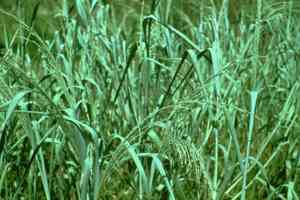
Bitter panicgrass aids in securing sandy areas and stopping soil degradation.
2
This vegetation tolerates saline mist and infertile ground exceptionally well.
3
Bitter panicgrass offers a superb living space for animals in seaside regions.
Why is Bitter panicgrass Crucial for Ground Stability?
Aids in Preventing Soil Loss
A primary advantage of Bitter panicgrass is its capacity to stabilize ground in susceptible areas. Its deep root network anchors the earth, making it an excellent choice for preventing erosion, especially in coastal zones where sandy soils are common. This erosion control helps preserve the landscape's integrity, shielding it from the detrimental effects of wind and water displacement.
Supports Plant Life
By offering a stable ground cover, Bitter panicgrass ensures that other flora in the ecosystem can flourish without the threat of soil degradation. This interconnected support system is vital for maintaining biodiversity, as it allows various plant species to coexist and thrive, fostering a healthier and more resilient environment.
How Does Bitter panicgrass Benefit Coastal Environments?
Adapts to Harsh Coastal Conditions
Bitter panicgrass displays a unique ability to adapt to the challenging conditions frequently found in coastal habitats. Its exceptional salt tolerance and capacity to grow in sandy, nutrient-poor soils make it a crucial component of coastal ecosystems. By thriving where other plants struggle, Bitter panicgrass helps maintain the delicate balance of these fragile environments.
Offers Shelter for Wildlife
The dense growth of Bitter panicgrass creates an ideal habitat for various animal species. Birds, insects, and small mammals often seek refuge in these grassy areas for feeding and nesting. This contribution to biodiversity highlights the importance of Bitter panicgrass in sustaining the natural web of life in coastal regions.
What Are the Advantages of Bitter panicgrass for Human Applications?
Landscaping and Aesthetic Appeal
Beyond its ecological benefits, Bitter panicgrass is also gaining popularity in landscaping. Its attractive, tufted appearance and ease of care make it a desirable option for garden enthusiasts and landscape designers. Whether used in coastal gardening or urban green spaces, Bitter panicgrass enhances visual appeal while contributing to environmental sustainability.
Drought Tolerance and Low Maintenance
Another notable benefit of Bitter panicgrass is its drought resistance. This grass requires minimal irrigation once established, making it a cost-effective and eco-friendly choice for homeowners looking to conserve water and reduce upkeep efforts. Its hardy nature ensures it can withstand various climatic conditions while continuing to flourish.
How is Bitter panicgrass Utilized in Environmental Restoration Initiatives?
Restoring Damaged Land
Environmental restoration projects frequently employ Bitter panicgrass to rehabilitate degraded lands. Its ability to grow in poor soil conditions and promote soil stability makes it an ideal candidate for restoring affected areas. By planting Bitter panicgrass, restoration efforts can quickly stabilize the land, preventing further degradation and promoting the regrowth of native vegetation.
Combating Climate Change
Interestingly, Bitter panicgrass also contributes to combating climate change. By stabilizing soils and reducing erosion, it helps to sequester carbon and reduce greenhouse gas emissions associated with soil disturbance. This not only aids in the fight against climate change but also helps to maintain healthier, more productive ecosystems in the long term.
What Role Does Bitter panicgrass Play in Agricultural Systems?
Improving Soil Quality
Bitter panicgrass is increasingly being incorporated into agricultural systems as a cover crop. Its root system helps to enhance soil structure and increase organic matter content, improving overall soil quality. This enhancement can lead to better crop yields and healthier agricultural lands over time.
Providing Fodder for Livestock
Additionally, Bitter panicgrass can serve as fodder for livestock. Its growth in marginal lands provides a supplementary food source for grazing animals, contributing to more sustainable livestock management practices. This multifaceted use of Bitter panicgrass demonstrates its versatility and importance in both natural and managed ecosystems.



