The Sweet osmanthus Plant Advantage: Maximizing Home and Office Appeal and Wellness
1
Sweet osmanthus releases a pleasant, fragrant scent widely used in perfumes.
2
Aromatherapy can benefit from the essential oils extracted from Sweet osmanthus.
3
Sweet osmanthus frequently finds its way into customary teas and food preparations due to its distinct taste.
The Scent of Sweet Osmanthus: A Treat for the Senses
How Does Sweet Osmanthus Release Its Pleasant Scent?
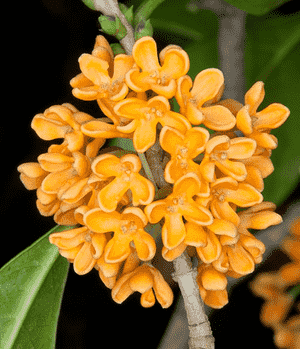
A prominent characteristic of Sweet Osmanthus is its captivating aroma. The plant's blossoms emit a sweet, fragrant smell that can fill a garden or home with a memorable perfume. This scent results from a complex blend of volatile organic compounds. Its fragrance profile includes floral, fruity, and herbal notes, making it a popular choice for perfumes and home scent products.
Sweet Osmanthus Applications in Perfumery
The distinct aroma of Sweet Osmanthus makes it a sought-after component in the perfume industry. Perfumers extract essential oils from the flowers to create fragrances, colognes, and scented lotions. These products incorporate the sweet, floral scent to impart a feeling of elegance and sophistication. Furthermore, essential oils distilled from Sweet Osmanthus are highly prized for their lasting aroma and compatibility with various base notes.
Aromatherapy and Health Advantages
How Does Sweet Osmanthus Enhance Aromatherapy?
In aromatherapy, the essential oils of Sweet Osmanthus are valued for their calming and soothing properties. The plant's aromatic compounds are known to encourage relaxation, reduce stress, and improve overall emotional well-being. Practitioners frequently use Sweet Osmanthus essential oil in diffusers or massage therapies. The pleasant fragrance helps create a peaceful environment, ideal for meditation and stress relief activities.
Well-being Improvements with Sweet Osmanthus
Beyond relaxation, the therapeutic qualities of Sweet Osmanthus essential oils extend to boosting one's mood and managing anxiety. These oils can be blended with carrier oils for massage, helping to ease muscle tension and provide a sense of tranquility. Incorporating Sweet Osmanthus into daily routines through baths, lotions, or diffusers can offer consistent benefits for mental health and well-being.
Culinary Uses of Sweet Osmanthus for Taste and Aroma
How Is Sweet Osmanthus Used in Traditional Teas?
Sweet Osmanthus is a cherished ingredient in various culinary traditions, particularly in the preparation of aromatic and flavorful teas. The dried flowers can be steeped alone or combined with other teas to enhance their fragrance. These teas are often enjoyed for their delightful scent and subtle, sweet taste, which adds a unique dimension to the tea-drinking experience.
Incorporating Sweet Osmanthus into Food Dishes
The appeal of Sweet Osmanthus extends to numerous culinary creations. The flowers are sometimes used to infuse syrups, desserts, and savory dishes with a sweet and floral note. Chefs may use Sweet Osmanthus to complement flavors in both contemporary and traditional cuisines. Its flavor versatility allows for a wide range of applications, making it a preferred ingredient for enhancing the scent and taste of various foods.
Gardening with Sweet Osmanthus: Cultivating a Fragrant Sanctuary
Why Should You Plant Sweet Osmanthus in Your Garden?
Beyond its aroma and culinary value, Sweet Osmanthus is a valuable addition to any garden. Its vibrant flowers and evergreen foliage create a visually appealing landscape. The plant is relatively easy to care for and can thrive in various climates, making it an excellent choice for garden enthusiasts. Having Sweet Osmanthus in your garden can provide a continuous source of fragrant flowers, attracting pollinators like bees and butterflies, promoting biodiversity.
Tips for Successfully Growing Sweet Osmanthus
To cultivate Sweet Osmanthus successfully, it is crucial to plant it in well-draining soil and a location that receives ample sunlight. Regular watering and pruning can help maintain the plant's health and promote abundant flowering. Mulching around the base can retain soil moisture and deter weeds, ensuring that Sweet Osmanthus has the best conditions to thrive and continue providing its many benefits.
Cultural Importance and Historical Applications of Sweet Osmanthus
What Are the Historical Uses of Sweet Osmanthus?
Historically, Sweet Osmanthus has held cultural significance in various societies globally. In some cultures, the flowers are used in ceremonial offerings and traditional celebrations. In others, Sweet Osmanthus was valued not just for its scent but also for its symbolic meanings, often representing purity, love, and longevity. These cultural ties underscore the enduring appeal and importance of the plant across generations.
How Is Sweet Osmanthus Celebrated in Different Cultures?
In modern times, festivals and events celebrating Sweet Osmanthus are still common, demonstrating its continued relevance and cherished status. These events often highlight the plant's beauty, aromatic qualities, and its uses in cuisine and traditional practices. By celebrating Sweet Osmanthus, communities honor their cultural heritage and raise awareness of the plant's numerous benefits.



