The Devil's Club Plant Advantage: Maximizing Home and Office Appeal and Wellness
1
Devil's Club serves as a potent adaptogen, promoting overall well-being.
2
Devil's Club originates from North America, establishing it as an ecologically significant flora.
3
Devil's Club has a history of use in indigenous customs due to its many advantages.
Why Cultivate Devil's Club in Your Garden?
Adaptogenic Qualities
A prominent characteristic of Devil's Club is its function as an adaptogen. Adaptogens are natural compounds that assist the body in managing stress and maintaining internal balance. By integrating Devil's Club into your garden, you introduce a plant that potentially aids your overall wellness through its stress-reducing properties.
Ecological Contributions
Devil's Club originates from North American temperate rainforests, making it well-suited for local ecosystems. Its inclusion in your garden can boost biodiversity, offering shelter and sustenance for various animal species. Its large, palmate leaves provide ample shade, fostering a beneficial microhabitat for soil organisms and other flora.
What Are the Wellness Benefits of Devil's Club?
Rich in Antioxidants
Devil's Club is recognized for its high antioxidant content, which combats oxidative stress within the body. These antioxidants neutralize free radicals, potentially assisting in the prevention of chronic illnesses and supporting general health.
Promotes Natural Healing
Traditional applications of Devil's Club emphasize its role in natural remedies and healing customs. Various plant parts have been utilized to support general health due to their anti-inflammatory and soothing attributes. By incorporating Devil's Club into your garden and daily routine, you can access these ancient practices.
How to Grow Devil's Club Successfully?
Optimal Growing Conditions
Devil's Club flourishes in shaded to partially shaded environments, mirroring its native forest floor habitat. It's best planted in rich, well-drained soil that retains moisture. If your garden replicates these conditions, Devil's Club can thrive, offering both aesthetic and practical advantages.
Maintenance Advice
To ensure the healthy development of Devil's Club, consistent watering and mulching are crucial. Prune older stems and leaves to encourage new growth and to prevent potential diseases. Vigilantly monitoring for pests and diseases will help maintain the plant's health, ensuring it continues to positively contribute to your garden's ecosystem.
How Does Devil's Club Support Biodiversity?
Habitat Creation
Devil's Club provides substantial foliage, which creates a shaded, cooler environment for smaller plants and animals. This foliage offers not only shelter but also a humid microenvironment that supports a diverse array of species, from invertebrates to small mammals.
Pollinator Attraction
The blossoms of Devil's Club draw in a variety of pollinators, including bees and butterflies. By planting Devil's Club in your garden, you can encourage the presence of these vital pollinators, which play a critical role in the health and reproduction of many other plants.
Can Devil's Club Be Used in Landscaping?
Aesthetic Appeal
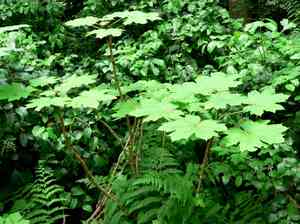
With its large, striking leaves and vibrant berries, Devil's Club offers a unique visual charm. It can serve as a focal point in landscaping designs, adding both texture and color to your garden. Its robust nature makes it an excellent choice for creating lush, green spaces.
Functional Design
Beyond its beauty, Devil's Club can serve practical purposes in landscaping. Its dense foliage can act as a natural barrier, providing privacy and reducing wind impact in certain areas of your garden. Its adaptability to shade also means it can fill in spaces where many other plants may not thrive.



