The Black gum Plant Advantage: Maximizing Home and Office Appeal and Wellness
1
Black gum offers crucial living spaces and sustenance for local fauna.
2
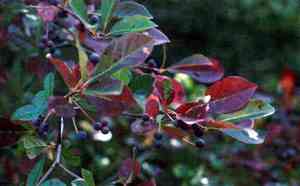
Its vibrant autumn leaves are highly valued, boosting visual attractiveness.
3
Black gum contributes to ground firmness and the well-being of the environment.
How Does Black gum Support Wildlife?
Habitat Creation
Black gum plays a vital role in providing homes for diverse animal species. Its dense canopy and protective cover offer nesting spots for birds, while its berries serve as sustenance for many creatures, including migrating birds and mammals. By planting Black gum, you can significantly boost local biodiversity, turning your landscape into a bustling center for native wildlife.
Food Sources
Black gum produces small, dark fruits that are not only appealing but also crucial nutritional sources for wildlife. These berries ripen in late summer and early autumn, supplying essential food when other provisions might be scarce. This positions Black gum as a key plant in sustaining animal populations across different seasons.
What Makes Black gum Visually Appealing?
Fall Foliage
One of Black gum's most striking attributes is its magnificent autumn leaves. As temperatures drop, the foliage of Black gum transforms into brilliant hues of red, orange, and yellow, creating a stunning visual display. This seasonal color change can enhance the beauty of any setting, making it a popular choice for gardens, parks, and city planning.
Aesthetic Versatility
Black gum is aesthetically adaptable, fitting into various landscape designs from natural woodlands to cultivated gardens. Its distinctive bark texture and balanced growth habit add visual interest throughout the year, beyond its notable fall show. Whether used as a focal point or incorporated into a diverse planting scheme, Black gum elevates the overall aesthetic value of your surroundings.
How Does Black gum Improve Soil and Ecosystem Health?
Soil Stabilization
Black gum is crucial for soil stabilization, thanks to its deep and expansive root system. These roots help to bind the earth, reducing erosion and maintaining soil structure. This is especially beneficial in preventing the loss of valuable topsoil during heavy rains, thereby ensuring the longevity and fertility of the ground where the plant is established.
Ecosystem Enhancement
Beyond soil stabilization, Black gum also contributes to improving the overall health of the ecosystem. The fallen leaves and organic matter produced by the plant enrich soil fertility, encouraging the growth of other vegetation. Additionally, Black gum supports a micro-ecosystem of insects and microbes, which in turn fosters a rich and balanced environment. This interconnected network boosts ecosystem resilience and productivity, making Black gum a foundational species in maintaining ecological health.
Can Black gum Be Integrated into Urban Landscapes?
Urban Greening
Black gum is well-suited for city environments due to its adaptability and hardiness. Its compact size and robust nature make it an ideal selection for urban greening initiatives, including street trees, park landscaping, and community gardens. Incorporating Black gum into urban settings not only beautifies the area but also improves air quality and provides shade, contributing to the overall well-being of city residents.
Climate Adaptability
Black gum is adaptable to a range of climatic conditions, making it suitable for various regions and urban climates. This adaptability means it can flourish in both humid and relatively dry environments, provided it receives adequate care. Its ability to withstand various urban stressors, such as pollution and limited soil space, further highlights its value in city landscapes.



