The Pygmy water lily Plant Advantage: Maximizing Home and Office Appeal and Wellness
1
The pygmy water lily serves as a superb oxygen producer, aiding in the upkeep of a thriving aquatic ecosystem.
2
Its attractive blooms contribute an ornamental element to ponds and other water installations.
3
Pygmy water lilies offer refuge and reproductive areas for aquatic organisms, enhancing ecological diversity.
How Does Pygmy water lily Improve Water Quality?
Boosting Oxygen Levels
Pygmy water lily plays a vital role in elevating the oxygen content within aquatic environments. Through photosynthesis, it releases oxygen into the water, which is crucial for the survival of fish and other water-dwelling organisms. Elevated oxygen levels help prevent water stagnation, ensuring your pond stays clear and healthy.
Natural Purification
Another key advantage of Pygmy water lily is its capacity to function as a natural filter. By absorbing surplus nutrients and pollutants from the water, Pygmy water lily aids in curbing the proliferation of detrimental algae. This natural purification process results in cleaner, clearer water, making your aquatic setting more pleasant and visually appealing.
What Are the Ecological Benefits of Pygmy water lily?
Supporting Aquatic Organisms
Pygmy water lily offers an excellent habitat for diverse aquatic life forms. The plant provides shaded areas and refuges that fish and other creatures can utilize for reproduction and protection. This supportive environment helps boost the biodiversity of your pond or water garden, fostering a balanced and flourishing ecosystem.
Serving as a Food Source
The foliage and blossoms of Pygmy water lily act as a food source for various aquatic insects and animals. This not only sustains the food web within the pond but also draws in beneficial wildlife species like frogs and dragonflies, enriching the ecological diversity of your water garden.
Can Pygmy water lily Enhance the Aesthetic Appeal of Your Pond?
Beautiful Blooms
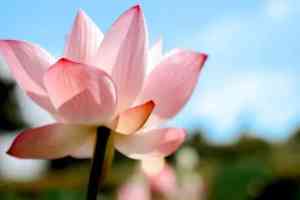
Pygmy water lily is renowned for its stunning flowers, which can introduce a splash of color to any water feature. Their delicate and vibrant blossoms can transform an ordinary pond into a picturesque scene, making it a central feature of your garden.
Diverse Hues
Pygmy water lily is available in a range of colors, including white, pink, and yellow. This variety allows you to customize the look of your water garden to match your personal taste. Combining Pygmy water lily with other aquatic plants can create a layered, dynamic visual effect that enhances the overall beauty of your outdoor space.
How to Care for Pygmy water lily in Your Water Garden?
Planting Guidelines
Pygmy water lily is relatively simple to plant and maintain. It thrives in shallow water with ample sunlight. To plant Pygmy water lily, simply place it in a container filled with aquatic soil, and submerge the container in your pond at a depth that allows the leaves to float on the water's surface. Ensure the plant receives at least six hours of direct sunlight daily for optimal growth.
Maintenance Requirements
Maintaining Pygmy water lily involves regular care to ensure its vitality. Remove spent flowers and prune decaying leaves to prevent the buildup of organic matter in the pond. Additionally, fertilize the plant with a balanced aquatic fertilizer during the growing season to encourage healthy blooms and foliage.
What Are the Advantages of Integrating Pygmy water lily with Other Aquatic Plants?
Creating a Balanced Ecosystem
Integrating Pygmy water lily with other aquatic plants can foster a balanced and diverse ecosystem. Different plants offer various benefits, from oxygenation to shelter, and by combining them, you can improve the overall health of your pond. For instance, pairing Pygmy water lily with submerged plants can provide a comprehensive approach to maintaining water quality and supporting aquatic life.
Enhancing Visual Appeal
Using a variety of aquatic plants alongside Pygmy water lily can significantly boost the visual appeal of your water garden. The contrasting shapes, sizes, and colors of different plants can create a dynamic and visually stimulating environment. This not only makes your water feature more attractive but also adds interest and depth to your garden design.



