The Common swamp pitcher-plant Plant Advantage: Maximizing Home and Office Appeal and Wellness
1
The common swamp pitcher-plant flourishes in soil lacking essential nutrients, providing distinct ecological advantages.
2
This species is vital for managing insect numbers.
3
The distinctive pitcher form of the common swamp pitcher-plant makes it a superb ornamental feature for outdoor spaces.
What Makes Common swamp pitcher-plant Unique?
Distinctive Pitcher Shape
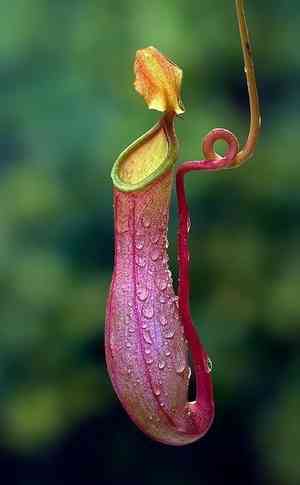
The most notable characteristic of Common swamp pitcher-plant is its pitcher-like leaves, which serve both aesthetic and practical functions. These pitchers are not only visually pleasing but also play a vital role in the plant's survival strategy by capturing insects.
Adaptive Growth in Nutrient-Poor Soils
Common swamp pitcher-plant has evolved to flourish in environments with minimal nutrients, such as marshy areas. This adaptability allows it to colonize niches where other plants might struggle, making it an excellent study subject for understanding plant resilience and adaptation.
How Does Common swamp pitcher-plant Benefit the Ecosystem?
Insect Population Control
One of the primary ecological roles of Common swamp pitcher-plant is regulating insect populations. By capturing and consuming insects, the plant offers a natural form of pest management, which can be particularly advantageous in maintaining the equilibrium of local ecosystems.
Habitat Provision
The structure of Common swamp pitcher-plant also provides a unique habitat for various microorganisms and small invertebrates. These organisms, in turn, contribute to the overall biodiversity and health of the ecosystem.
What Are the Decorative Advantages of Common swamp pitcher-plant?
Aesthetic Appeal in Landscaping
The distinctive appearance of Common swamp pitcher-plant, with its pitcher-shaped leaves and vivid colors, makes it a highly desirable plant for ornamental purposes. It can add an exotic flair to gardens, terrariums, and even as a focal point in home decor.
Low Maintenance Requirements
Common swamp pitcher-plant is relatively low maintenance compared to other ornamental plants. Its capacity to thrive in less fertile soil means it doesn't require frequent fertilization, making it an ideal choice for gardeners seeking an easy-care yet visually striking plant.
What Are the Research Implications of Studying Common swamp pitcher-plant?
Insights into Carnivorous Plant Evolution
Studying Common swamp pitcher-plant offers valuable insights into the evolution of carnivorous plants, helping scientists understand how certain plants developed mechanisms to attract, trap, and digest prey. This knowledge can contribute to broader botanical research and conservation efforts.
Contribution to Biotechnology
The unique enzymes found in Common swamp pitcher-plant used for digesting insects have potential applications in biotechnology. Researchers are investigating these enzymes for their utility in developing eco-friendly pest control methods and even in waste management processes.



