The Philippine mussaenda Plant Advantage: Maximizing Home and Office Appeal and Wellness
1
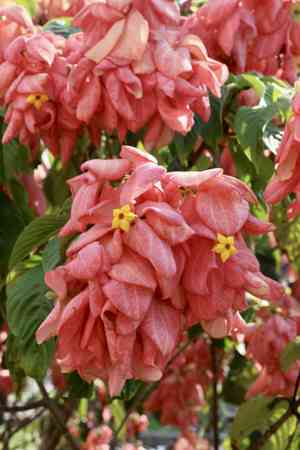
The Philippine mussaenda is prized for its striking decorative appeal, capable of beautifying any outdoor space.
2
This plant contributes to better air quality through its absorption of pollutants and release of oxygen.
3
Cultivating the Philippine mussaenda is quite straightforward, making it an ideal choice for gardeners of all skill levels.
Why Incorporate Philippine Mussaenda into Your Garden?
Aesthetic Appeal
A primary reason to add Philippine mussaenda to your garden is its remarkable visual charm. The plant showcases large, vibrant bracts in shades like white, pink, and yellow, offering a striking look. These colorful structures often frame smaller, less noticeable blossoms, creating a layered and textured effect that can be a focal point in any garden design. Their distinctive appearance makes them ideal for borders, flowerbeds, and even containers.
Air Quality Enhancement
Philippine mussaenda plays a vital role in improving air quality. Like many plants, it takes in carbon dioxide and releases oxygen, contributing to a fresher, more breathable atmosphere. Additionally, it possesses the unique ability to absorb specific airborne toxins such as formaldehyde, benzene, and trichloroethylene. This makes it an excellent choice for those aiming to boost the ecological balance and air purity in their outdoor spaces.
Effortless Cultivation
For gardeners of all experience levels, Philippine mussaenda offers an easy-to-grow option. The plant thrives in well-draining soil and can flourish in both sunny and partially shaded environments. Consistent watering is necessary, especially during warmer periods, but the plant is otherwise low-maintenance, resistant to common pests, and quite drought-tolerant once established. This makes it a versatile addition to various garden setups, from expansive landscapes to compact urban plots.
What Are the Environmental Advantages of Philippine Mussaenda?
Pollinator Attraction
Another significant benefit of Philippine mussaenda is its capacity to draw in pollinators like bees, butterflies, and hummingbirds. Its vivid bracts and nectar-rich flowers act as a magnet for these creatures, boosting biodiversity and fostering a healthy ecosystem. These pollinators are crucial for the reproduction of many other plants in your garden, aiding in seed production and contributing to the overall fertility of your green space.
Soil Erosion Prevention
Philippine mussaenda can also be effective in preventing soil erosion. Its root system helps to bind the soil, stopping it from being easily washed away by rain or irrigation. This characteristic is particularly valuable in sloped gardens or areas prone to heavy rainfall. Consequently, integrating Philippine mussaenda into your landscaping can help maintain soil integrity and lessen the risk of erosion-related damage.
Support for Local Wildlife
The dense foliage and bushy growth habit of Philippine mussaenda offer refuge and habitat for various local wildlife, such as small birds and beneficial insects. By including Philippine mussaenda in your garden, you help create a sustainable environment that supports local animal life. This can be especially advantageous in urban areas where natural habitats are often scarce.
How to Incorporate Philippine Mussaenda into Your Garden Design?
Selecting the Ideal Spot
Choosing the correct location for planting Philippine mussaenda is essential for maximizing its growth and decorative potential. Ideally, the plant should be placed in an area that receives ample sunlight, though partial shade can also be sufficient. It's important to ensure the soil drains well to prevent root rot. Consider planting Philippine mussaenda near pathways or entrances where its striking appearance can be admired closely.
Companion Planting Strategies
Companion planting involves cultivating Philippine mussaenda alongside other plants that can mutually benefit from each other's presence. Suitable companions for Philippine mussaenda include plants with contrasting foliage or similar care needs, such as ferns, lilies, and ornamental grasses. This not only enhances your garden's aesthetic appeal but also promotes a symbiotic environment where plants can flourish together.
Seasonal Maintenance
To ensure Philippine mussaenda remains healthy and vibrant throughout the year, seasonal care is vital. During the active growth period, consistent watering and occasional feeding with a balanced fertilizer can encourage robust development. Pruning spent flowers and dead leaves not only helps maintain the plant's appearance but also stimulates new growth. As temperatures drop, applying mulch around the base can protect the roots from frost, ensuring the plant's longevity.
Practical Advice for Growing and Caring for Philippine Mussaenda
Watering and Fertilizing
Philippine mussaenda requires consistent moisture, especially during dry periods. Watering should be thorough to ensure the roots receive adequate hydration. However, avoid waterlogging, as this can lead to root rot. Fertilizing Philippine mussaenda once a month with a balanced, slow-release fertilizer can support sustained growth and vibrant bract coloration.
Pest and Disease Control
While Philippine mussaenda is relatively resistant to pests and diseases, occasional issues may arise. Common pests include aphids and spider mites, which can be managed with organic sprays or insecticidal soaps. Fungal diseases may occur in overly damp conditions, so ensuring proper air circulation and avoiding waterlogged soil can mitigate these risks. Regular monitoring and prompt intervention can help keep your Philippine mussaenda healthy.



