The Compact grape hyacinth Plant Advantage: Maximizing Home and Office Appeal and Wellness
1
Simple to cultivate and care for, this small grape hyacinth brings vivid hues to your outdoor space.
2
Draws in helpful pollinators like bees and butterflies.
3
Ideal for pots, rockeries, and garden edges.
Why Compact Grape Hyacinth is an Essential Addition to Your Garden
Visual Charm
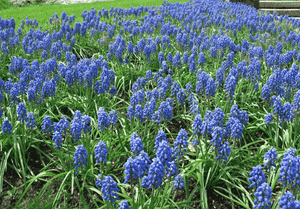
A key advantage of Compact grape hyacinth is its striking appearance. Its small stature and dense clusters of tiny, bell-shaped blossoms make it a delightful feature in any garden. These flowers typically emerge in early to mid-spring, forming a rich, vibrant carpet that beautifully contrasts with surrounding foliage. The plant's vivid blue hue also offers a refreshing change from common flower colors, providing unique visual appeal.
Effortless Upkeep
Compact grape hyacinth is an excellent option for both new and seasoned gardeners due to its minimal care requirements. It flourishes in various soil types, provided the soil drains well. This plant is drought-tolerant once established, needing only moderate irrigation. Furthermore, Compact grape hyacinth demands little fertilization and is quite pest-resistant, making it a trouble-free choice for any garden.
Environmental Advantages of Compact Grape Hyacinth
Attracting Beneficial Insects
One ecological benefit of cultivating Compact grape hyacinth is its capacity to draw in pollinators. The plant's blooms are rich in nectar, making them a favorite among bees, butterflies, and other helpful insects. By attracting these pollinators, you support local ecosystems and enhance your garden's biodiversity. This not only aids in the pollination of other plants but also helps maintain a balanced and healthy garden environment.
Enhancing Soil Quality
Another often overlooked advantage of Compact grape hyacinth is its contribution to soil health. The plant's root system helps to aerate the soil, improving its structure and making it more hospitable for other plants. Additionally, as the leaves and flowers of Compact grape hyacinth decompose, they add organic matter to the soil, enriching it with vital nutrients. This natural process reduces the need for chemical fertilizers, fostering a healthier garden ecosystem.
Integrating Compact Grape Hyacinth into Various Garden Designs
Ideal for Container Cultivation
Given its compact size, Compact grape hyacinth is perfect for container gardening. Whether you have a small balcony or a spacious patio, you can easily grow these plants in pots and planters. This adaptability allows you to enjoy the beauty and benefits of Compact grape hyacinth even in confined spaces. Select containers with good drainage and position them in a spot that receives ample sunlight for optimal results.
Perfect for Rockeries and Edges
If you have a rock garden or wish to define the boundaries of your garden beds, Compact grape hyacinth can be an excellent choice. Its ability to thrive in well-draining soil and its low water needs make it ideal for these environments. Planting Compact grape hyacinth along the edges of your garden beds or among rocks can create striking visual borders and enhance the overall appeal of your landscape.
Seasonal Care Guidelines for Compact Grape Hyacinth
Spring and Summer Maintenance
During its active growth period, Compact grape hyacinth requires consistent watering, especially when rainfall is scarce. However, be careful not to overwater, as it thrives best in well-drained soil. Applying mulch around the plant can help retain soil moisture and keep the roots cool. Removing spent flowers can encourage a longer blooming period and prevent excessive self-seeding.
Autumn and Winter Preparation
As the flowering season concludes, it's crucial to prepare Compact grape hyacinth for the colder months. Prune back any dead foliage to neaten the garden. In areas with harsh winters, adding a layer of mulch over the planting area can provide extra insulation, protecting the bulbs from freezing temperatures. In milder climates, Compact grape hyacinth typically needs little winter care beyond periodic checks to ensure the soil doesn't become overly saturated.



