The Curry leaf tree Plant Advantage: Maximizing Home and Office Appeal and Wellness
1
The curry leaf plant is rich in antioxidants and vital nutrients.
2
The curry leaf plant aids in digestion and might assist in managing blood sugar levels.
3
The curry leaf plant improves the taste of numerous culinary preparations, particularly in Indian cooking.
What Is Curry leaf tree?
Origin and Habitat
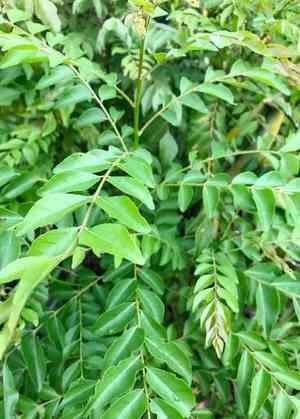
The Curry leaf tree is a small tropical to subtropical plant indigenous to India and Sri Lanka. It's frequently cultivated in home gardens for its aromatic foliage, which is a key ingredient in many Indian and Asian cuisines. This tree thrives in well-drained soil and requires a warm climate to flourish.
Cultural Significance
In numerous cultures, the Curry leaf tree holds a prominent position not only for its culinary applications but also for its role in traditional customs. In Indian households, it's a common belief that possessing a Curry leaf tree repels negative energy, and its leaves are often utilized in various religious ceremonies.
Nutritional Powerhouse
Rich in Antioxidants
The Curry leaf tree is abundant in potent antioxidants such as flavonoids, alkaloids, and glycosides. These compounds assist in neutralizing free radicals within the body, potentially lowering the risk of chronic illnesses.
Essential Vitamins and Minerals
The foliage of the Curry leaf tree is rich in vitamins A, B, C, and E. They also contain vital minerals like calcium, phosphorus, iron, and magnesium, all of which play crucial roles in maintaining overall well-being.
Health Benefits of Curry leaf tree
Supports Digestive Health
The Curry leaf tree is known to aid in digestion. Its leaves contain compounds that stimulate the release of digestive enzymes, thereby enhancing the digestive process. Regular consumption may help alleviate issues such as constipation and indigestion.
May Regulate Blood Sugar Levels
Emerging research indicates that the bioactive compounds in the Curry leaf tree may help manage blood sugar levels. While further study is needed, incorporating Curry leaf tree into your diet could be a beneficial supplement to support diabetes management.
Culinary Uses of Curry leaf tree
Enhances Flavor in Dishes
The Curry leaf tree is renowned for its distinctive flavor, which can elevate the taste of various dishes. It is often used in curries, soups, and rice preparations. The leaves can be used fresh or dried and can be incorporated at different stages of cooking to impart a fragrant aroma and a mildly pungent flavor.
Versatility in Cooking
The adaptability of the Curry leaf tree makes it a favorite among chefs and home cooks alike. It can be ground into pastes, used as a garnish, or even steeped in hot oil to infuse its flavors into the dish. Its application is not limited to traditional recipes; it can be creatively used in modern culinary experiments.
Growing Your Own Curry leaf tree
Ideal Growing Conditions
If you reside in a warm climate, you can easily cultivate the Curry leaf tree in your garden or even in containers. The plant prefers well-drained soil and partial to full sunlight. Consistent watering and occasional pruning will keep your Curry leaf tree healthy and productive.
Harvesting and Storage
Harvesting Curry leaf tree leaves is straightforward. Simply pluck the mature leaves as needed. Fresh leaves can be stored in the refrigerator for a week, while dried leaves have a longer shelf life and can be stored in an airtight container.



