The Tapeworm plant Plant Advantage: Maximizing Home and Office Appeal and Wellness
1
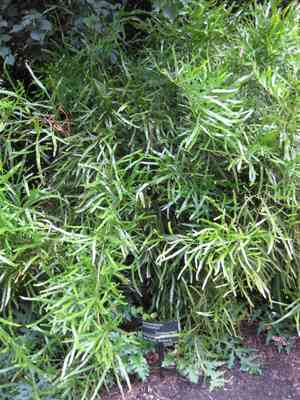
The tapeworm plant is recognized for its distinct, thin, and divided stalks.
2
Cultivating this plant is straightforward, demanding little upkeep.
3
Tapeworm plant enhances atmospheric purity through pollutant absorption.
What Makes Tapeworm plant Unique?
Distinctive Appearance
The Tapeworm plant is easily identified by its slender, segmented stems that resemble a tapeworm. This unique structure not only adds visual appeal to any setting but also sparks conversation. Its minimalist yet intriguing look can complement various interior designs, from modern to rustic.
Easy Maintenance
One of the most attractive qualities of the Tapeworm plant is its low maintenance needs. This plant thrives in well-draining soil and requires minimal watering, making it perfect for busy individuals or gardening novices. Its resilience to neglect means it can survive in less-than-ideal conditions, offering a hassle-free experience for plant owners.
How Does Tapeworm plant Benefit Your Home?
Air Purification
Like many indoor plants, the Tapeworm plant possesses the remarkable ability to enhance air quality. It absorbs pollutants such as formaldehyde, benzene, and trichloroethylene, commonly found in household products. By incorporating this plant into your living space, you can enjoy a fresher and healthier indoor environment.
Aesthetic Enhancement
The unique structure of the Tapeworm plant can serve as an attractive visual element in your home decor. Whether placed on a windowsill, a bookshelf, or in a hanging planter, its striking appearance can elevate the overall aesthetic of any room. The plant's versatile design allows it to seamlessly fit into various decorative themes, making it a valuable addition to any home.
Can Tapeworm plant Thrive in Outdoor Gardens?
Adaptability to Different Climates
The Tapeworm plant is known for its adaptability to various climates, making it suitable for both indoor and outdoor gardening. It can tolerate a range of temperatures and light conditions, though it performs best in partial to full sunlight. This versatility allows gardeners to use the Tapeworm plant in different landscaping projects, whether in containers, as ground cover, or as a feature plant.
Minimal Pest Problems
Another significant advantage of the Tapeworm plant is its resistance to common plant pests. This resilience reduces the need for chemical pesticides and simplifies maintaining a healthy garden. By incorporating the Tapeworm plant into your outdoor spaces, you can enjoy a flourishing garden with fewer challenges related to pest management.
What Are the Environmental Benefits of Tapeworm plant?
Soil Erosion Control
The dense growth habit of the Tapeworm plant makes it effective in preventing soil erosion. Its extensive root system helps stabilize the soil, reducing the impact of heavy rainfall and wind. This characteristic is particularly beneficial for gardeners looking to protect their landscapes and maintain soil health.
Biodiversity Support
The Tapeworm plant can contribute to local biodiversity by providing habitat and food for various insects and small wildlife. Its flowers, though small, attract pollinators like bees and butterflies, supporting the local ecosystem. By planting the Tapeworm plant, gardeners can play a role in promoting biodiversity and sustaining healthy ecosystems.
How to Care for Your Tapeworm plant
Watering Needs
The Tapeworm plant is highly drought-tolerant, requiring minimal watering once established. It is essential to ensure that the soil is well-draining to prevent root rot. Watering should be moderate, allowing the soil to dry out between watering sessions. Over-watering can lead to problems, so itâs crucial to find a balance based on the plantâs environment.
Pruning and Propagation
Pruning the Tapeworm plant can help maintain its shape and encourage healthy growth. Remove any dead or damaged stems to keep the plant looking its best. Propagation is relatively simple through stem cuttings; just place the cuttings in water or moist soil until they develop roots. This method allows you to expand your collection or share this unique plant with friends and family.



