The Heartshape false pickerelweed Plant Advantage: Maximizing Home and Office Appeal and Wellness
1
Heartshape false pickerelweed is a helpful water plant that enhances the purity of water in ponds and marshlands.
2
It offers shelter and sustenance for diverse aquatic and avian life, boosting ecological variety.
3
Heartshape false pickerelweed can naturally manage intrusive plant types because of its vigorous development.
How Does Heartshape false pickerelweed Improve Water Quality?
Natural Filtration System
Heartshape false pickerelweed functions as an inherent filtration mechanism that aids in purifying the water where it thrives. Its root structure takes up surplus nutrients such as nitrogen and phosphorus, which can otherwise lead to algal blooms. This nutrient uptake not only cleanses the water but also prevents the proliferation of detrimental algae, thereby preserving the ecological equilibrium in ponds and wetlands.
Reduction of Water Pollution
Owing to its absorbent capabilities, Heartshape false pickerelweed can significantly diminish water contamination. It extracts various heavy metals and pollutants from the water, fostering a safer environment for aquatic organisms. This positions it as a crucial element in naturally sustaining the health and clarity of water bodies.
What Role Does Heartshape false pickerelweed Play in Biodiversity?
Habitat for Aquatic Life
Heartshape false pickerelweed offers an essential dwelling for diverse aquatic species. Its dense foliage and root networks provide refuge and breeding grounds for fish, amphibians, and invertebrates. This creation of habitat is vital for sustaining the biodiversity of aquatic ecosystems.
Food Source for Wildlife
Not only does Heartshape false pickerelweed provide shelter, but it also serves as a nutritional source for numerous wildlife species. Ducks, geese, and other waterfowl frequently consume its seeds and leaves, while smaller creatures benefit from the organic matter it generates as it decays.
Can Heartshape false pickerelweed Help Control Invasive Plant Species?
Aggressive Growth Patterns
Heartshape false pickerelweed is recognized for its vigorous and swift growth, which can be both an advantage and a challenge. When employed strategically, its assertive growth patterns can outcompete invasive plant species, thereby offering a natural method of biological control. This is particularly advantageous in areas where chemical treatments are either impractical or undesirable.
Sustainable Land Management
Utilizing Heartshape false pickerelweed for managing invasive species aligns well with sustainable land management practices. Instead of relying on herbicides or mechanical removal, which can be labor-intensive and environmentally detrimental, Heartshape false pickerelweed presents a greener, cost-effective alternative for ecosystem management.
Is Heartshape false pickerelweed Suitable for Home Gardens?
Decorative and Functional
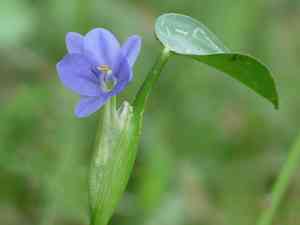
Beyond its ecological advantages, Heartshape false pickerelweed is also an appealing addition to home gardens, especially those with water features. Its heart-shaped leaves and striking purple blossoms add visual charm, making it a decorative yet practical plant. It can be easily incorporated into pond edges and other aquatic settings, enhancing the aesthetic while fulfilling practical functions like water purification.
Low Maintenance Care
Heartshape false pickerelweed requires relatively little upkeep, needing minimal intervention once established. Given its inherent resilience, it can adapt to various water conditions and demands less attention compared to other aquatic plants, making it perfect for busy gardeners who still wish to promote ecological well-being.
What Are the Ecological Benefits of Heartshape false pickerelweed in Wetlands?
Wetland Restoration
Wetlands are crucial ecosystems that often suffer degradation due to pollution and human activities. Heartshape false pickerelweed plays a vital role in wetland restoration by stabilizing the soil with its root system, reducing erosion, and enhancing the area's overall ecological diversity. Its presence can help revitalize degraded wetlands, transforming them back into flourishing ecosystems.
Carbon Sequestration
In addition to water purification and habitat provision, Heartshape false pickerelweed also contributes to carbon sequestration. Its rapid growth means it absorbs significant amounts of CO2, thereby helping mitigate climate change. This makes it a triple-threat plant: improving water quality, enhancing biodiversity, and mitigating climate change all at once.



