The Creeping cucumber Plant Advantage: Maximizing Home and Office Appeal and Wellness
1
This botanical specimen is recognized for its diminutive, palatable produce, utilized across diverse gastronomic practices.
2
Creeping cucumber may function as a natural diuretic, contributing to renal well-being.
3
This flora is frequently employed in folk remedies to assist digestion and ease gastric discomforts.
What is Creeping cucumber?
Description and Characteristics
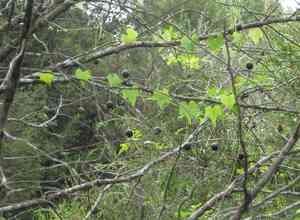
A member of the cucurbitaceae family, Creeping cucumber is a climbing plant that flourishes in tropical and subtropical environments. It's identified by its small, green fruits that resemble tiny cucumbers. These fruits are frequently eaten in salads or preserved, offering a fresh and crisp texture. The plant grows quickly and can cover fences and trellises, making it an excellent option for gardeners seeking an edible and decorative plant.
Cultural Significance
Throughout history, Creeping cucumber has held cultural importance in various regions. In many Latin American nations, it is valued for both its ornamental and culinary qualities. Traditional practices often include its use in folk remedies, making it a versatile plant with a long-standing presence in local customs. This resilience and adaptability contribute to its lasting appeal.
Nutritional Benefits of Creeping cucumber
Rich in Vitamins and Minerals
One of the key advantages of Creeping cucumber is its nutritional makeup. The fruits are packed with essential vitamins like Vitamin C and Vitamin K, supporting immune health and aiding in blood clotting, respectively. Additionally, they contain various minerals, including calcium, magnesium, and potassium, which are crucial for maintaining bone health and regulating blood pressure.
Antioxidant Properties
The antioxidants present in Creeping cucumber play a vital role in neutralizing harmful free radicals within the body. This action helps reduce oxidative stress, which is linked to numerous chronic illnesses. Regular consumption of Creeping cucumber can therefore contribute to long-term health and the prevention of conditions associated with oxidative damage.
How Does Creeping cucumber Support Digestive Health?
Natural Diuretic Effects
Creeping cucumber has long been recognized for its diuretic qualities, which can help the body eliminate excess fluids and lessen bloating. This natural diuretic effect supports the kidneys and urinary tract, promoting overall detoxification. Including Creeping cucumber in your diet can be an effective, natural way to support renal health.
Aiding Digestion
The plant is also known to enhance digestive health by stimulating the production of digestive enzymes. This mechanism can help alleviate common issues such as constipation and indigestion. The fiber content in Creeping cucumber further supports a healthy gut by promoting regular bowel movements and fostering a balanced gut microbiome.
Incorporating Creeping cucumber into Your Lifestyle
Culinary Uses
Creeping cucumber is a versatile addition to many dishes. Its small, crunchy fruits can be diced and added to salads for a refreshing twist. Pickling the fruits is another popular method, providing a tangy and crisp snack or condiment. Additionally, Creeping cucumber can be cooked in stir-fries or used as a garnish for various dishes, adding both flavor and nutritional value.
Gardening and Ornamental Use
For those interested in gardening, Creeping cucumber offers dual benefits: it beautifies your space while providing edible produce. The plant's rapid growth and climbing nature make it suitable for trellises, fences, and even vertical gardens. Its ornamental value is enhanced by the attractive, small fruits that add a unique aesthetic to any garden setting.
Sourcing and Sustainability
Where to Find Creeping cucumber
Creeping cucumber can be found in specialty grocery stores, farmers' markets, and online retailers specializing in exotic fruits and plants. Given its increasing popularity, many nurseries also offer Creeping cucumber seeds and seedlings for home gardeners.
Sustainable Practices
Cultivating Creeping cucumber can be sustainable and environmentally friendly. The plant requires minimal chemical interventions, as it is naturally resistant to many pests and diseases. By growing Creeping cucumber in your garden, you contribute to biodiversity and reduce dependency on commercially farmed produce, fostering a more sustainable lifestyle.



