The Mayten tree Plant Advantage: Maximizing Home and Office Appeal and Wellness
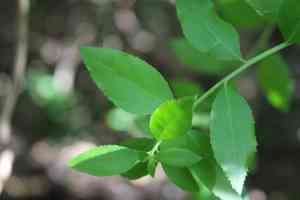
1
The Mayten tree is recognized for its hardiness and capacity to flourish in various environments.
2
Mayten wood is highly valued due to its strength and adaptability.
3
The Mayten tree provides ecological advantages, such as preventing soil loss and cleansing the atmosphere.
What Makes Mayten tree a Resilient Plant?
Adaptability to Different Climates
A key characteristic of the Mayten tree is its remarkable capacity to adjust to diverse weather conditions. This species flourishes in areas with varied temperatures and rainfall patterns. Its flexibility allows it to grow in both arid and humid settings, making it a versatile option for various environments.
Drought Tolerance
The Mayten tree exhibits excellent resistance to dry spells, establishing it as a dependable plant in parched and semi-arid regions. It needs minimal water once rooted, lessening the demand for frequent irrigation and aiding in water conservation efforts.
Environmental Benefits of Mayten tree
Erosion Control
The robust root system of the Mayten tree is crucial for stabilizing soil. It helps prevent soil erosion by anchoring the earth, particularly on slopes and areas prone to washing away. This ability to control erosion makes it an essential plant for safeguarding landscapes and maintaining soil health.
Air Purification
The Mayten tree also contributes to improving air quality. Like many plants, it absorbs carbon dioxide and releases oxygen through photosynthesis. Furthermore, its leaves can capture dust and fine particles, acting as a natural air filter and reducing pollution levels.
The Practical Uses of Mayten tree
Durable Wood for Various Applications
The timber from the Mayten tree is highly valued for its strength and longevity. It is frequently utilized in construction, furniture production, and tool crafting. Its resistance to decay and pests makes it a favored choice for outdoor and indoor uses, ensuring durability and minimal upkeep.
Natural Fences and Windbreaks
The Mayten tree can be cultivated to form natural barriers and windbreaks. Its dense foliage and sturdy branches provide an effective shield against wind, protecting crops and properties. Moreover, these natural barriers can enhance landscape aesthetics while serving practical functions.
Why Choose Mayten tree for Landscaping?
Aesthetic Appeal
The Mayten tree adds a distinct visual charm to gardens and outdoor spaces. Its evergreen leaves and elegant branches create a pleasing environment. Landscapers and homeowners often select this plant to enhance the beauty of their outdoor areas while benefiting from its hardiness.
Low Maintenance Requirements
Another significant benefit of the Mayten tree is its minimal care needs. Once established, it requires little pruning and watering, making it an ideal choice for those seeking a beautiful yet easy-to-maintain plant. Its resistance to pests and diseases further reduces the need for regular interventions.
How Does Mayten tree Support Biodiversity?
Habitat for Wildlife
The Mayten tree provides an important home for various animal species. Its dense foliage offers shelter and nesting spots for birds, while its flowers and berries attract pollinators and other wildlife. This plant plays a vital role in fostering biodiversity and supporting ecosystems.
Supporting Pollinators
The blossoms of the Mayten tree are a valuable source of nectar for pollinators, including bees and butterflies. By planting the Mayten tree, gardeners and conservationists can support pollinator populations, which are crucial for the health of many ecosystems and agricultural crops.
What Are the Best Practices for Planting and Caring for Mayten tree?
Optimal Planting Conditions
To ensure the successful growth of the Mayten tree, it is important to plant it in well-drained soil with adequate sunlight exposure. Although it tolerates various soil types, a slightly acidic to neutral pH is often preferred. Proper spacing is also crucial to allow for sufficient air circulation and development.
Regular Care Tips
While the Mayten tree is low maintenance, occasional care can improve its health and appearance. Mulching around the base helps retain moisture and suppress weeds. Additionally, periodic trimming of dead or overgrown branches promotes better air circulation and stimulates new growth, keeping the plant in optimal condition.



