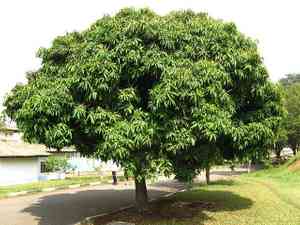
The Mango tree Plant Advantage: Maximizing Home and Office Appeal and Wellness
1
The mango tree yields a delightful fruit celebrated for its succulent, sugary taste.
2
The foliage, trunk, and root system of the mango tree find application in diverse traditional customs.
3
Mango tree is recognized for its significant nutritional content, abundant in essential vitamins and minerals.
Why is the Mango Tree Nutritionally Beneficial?
Rich in Vitamins and Minerals
The mango tree is a powerhouse of vital nutrients. It contains high levels of vitamin C, which supports immune function and skin health. Additionally, it offers ample amounts of vitamin A, crucial for eye health, and vitamin E, known for its antioxidant properties. The fruit is also rich in other minerals such as potassium, which helps regulate blood pressure.
Fiber Content and Digestive Health
The fruit of the mango tree is not just tasty but also rich in dietary fiber. Fiber aids in maintaining a healthy digestive system by promoting regular bowel movements and lowering the risk of digestive disorders. Consuming fiber-rich foods like mango is an excellent way to support overall digestive health.
How Does the Mango Tree Enhance Culinary Experiences?
Versatility in Cooking
The mango tree is incredibly versatile in the culinary world. It can be enjoyed fresh, added to salads, or blended into smoothies. The fruitâs sweet and tangy flavor profile makes it a fantastic ingredient for both savory and sweet dishes. Chefs around the world use mango in a variety of recipes, ranging from salsas and chutneys to decadent desserts.
Culinary Heritage and Recipes
Beyond everyday use, the mango tree holds significant cultural value in many cuisines. Traditional recipes often highlight the unique flavors of mango, making it a staple in festive dishes. For instance, the famous Indian mango pickle showcases the fruit's versatility and cultural importance.
What Are the Cultural and Environmental Benefits of the Mango Tree?
Cultural Significance
The cultural importance of the mango tree is profound. In many cultures, it's considered a symbol of love and prosperity. Leaves of the mango tree are often used in traditional ceremonies and decorations. The tree itself is often planted in homes and temples as a sacred plant.
Environmental Impact
The mango tree also plays a crucial role in the environment. It supports biodiversity by providing habitat and food for various wildlife species. Additionally, mango trees can enhance soil quality and aid in erosion control, making them an excellent option for sustainable land management.
How Can the Mango Tree Benefit Your Garden or Landscape?
Growing Mango Tree at Home
Adding the mango tree to your garden can be incredibly rewarding. These trees require a warm, tropical climate to thrive but are relatively low maintenance once established. They can add aesthetic value to your landscape with their lush foliage and beautiful, fragrant flowers.
Landscaping Benefits
The mango tree can also provide substantial shade, making it a practical addition to any garden or landscape. The treeâs extensive root system can help prevent soil erosion, contributing to the stability of garden structures. Plus, the presence of a mango tree can elevate the overall ambiance of your outdoor space.



