The Spiny pincushion cactus Plant Advantage: Maximizing Home and Office Appeal and Wellness
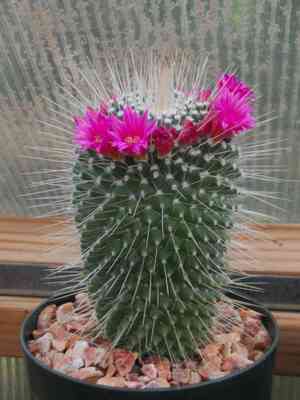
1
Simple to maintain, ideal for both beginner and seasoned plant enthusiasts.
2
Adds visual appeal to any interior or exterior setting.
3
Contributes to the ecosystem by drawing in helpful insects such as pollinators.
Why Select Spiny pincushion cactus for Your Residence?
Minimal Upkeep Needs
A primary reason gardeners and interior designers choose Spiny pincushion cactus is its undemanding nature. This plant thrives with little care, needing only filtered sunlight and infrequent watering. Its resilience to neglect makes it perfect for busy individuals or those new to plant cultivation.
Visual Charm
Spiny pincushion cactus presents a distinctive look with its dense spines and compact form, making it a visually engaging addition to any environment. Its spherical shape and vivid hue lend a touch of exotic sophistication, boosting the aesthetic appeal of your indoor or outdoor area.
What Are the Environmental Advantages of Spiny pincushion cactus?
Luring Pollinators
By incorporating Spiny pincushion cactus into your green space, you can draw in crucial pollinators such as bees and butterflies. These beneficial insects are vital for your garden's health, as they aid in the pollination process, ensuring the growth and reproduction of various flora.
Fostering Biodiversity
Spiny pincushion cactus integrates smoothly into diverse plant ecosystems, supporting the preservation and enhancement of biodiversity. Its presence can contribute to a balanced environment, encouraging the coexistence of multiple plant and animal species within your garden.
How to Care for Spiny pincushion cactus?
Optimal Light and Temperature Conditions
Spiny pincushion cactus thrives best in bright, indirect illumination. Placing it near a window with filtered light or in a shaded outdoor spot can encourage its optimal development. Additionally, this plant prefers moderate temperature conditions, flourishing best between 60 and 80 degrees Fahrenheit.
Watering and Soil Requirements
This plant necessitates well-draining soil to prevent root rot. Watering should be sparse; allow the soil to completely dry out between waterings, typically once every two weeks. Utilizing a cactus-specific potting mix can enhance its growth and vitality.
Enhancing Interior Spaces with Spiny pincushion cactus
Creating a Central Feature
Spiny pincushion cactus can serve as a striking focal point in your interior decor. Whether positioned on a windowsill, bookshelf, or coffee table, its unique structure and vibrant color make it an eye-catching accent piece that can revitalize any room.
Complementing Other Plants
Pairing Spiny pincushion cactus with other succulents or low-maintenance plants can create a harmonious and visually pleasing indoor garden. Its contrasting texture and form add depth and variety to your plant arrangements, improving the overall visual appeal.
Benefits of Spiny pincushion cactus in Outdoor Gardens
Xeriscaping and Water Conservation
Spiny pincushion cactus's drought-tolerant nature makes it an ideal plant for xeriscaping, a landscaping approach that reduces or eliminates the need for irrigation. Incorporating this plant into your garden can lead to significant water savings, especially in arid regions.
Erosion Prevention
The robust root system of Spiny pincushion cactus can help prevent soil erosion in outdoor gardens. Planting it in areas susceptible to erosion can stabilize the soil and maintain the integrity of your landscape.



