The Hall crabapple Plant Advantage: Maximizing Home and Office Appeal and Wellness
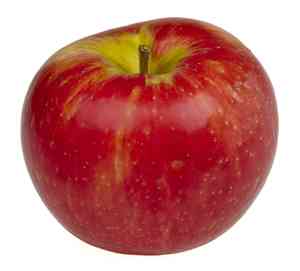
1
Hall crabapple provides environmental advantages through sustenance and shelter for animals.
2
Its aesthetic appeal makes Hall crabapple a favored option for garden design.
3
Appropriate upkeep and tending can improve the lifespan and vitality of Hall crabapple.
What Makes Hall crabapple So Special?
Ecological Contributions
Hall crabapple is a vital element of its natural environment. It offers sustenance for various creatures, including avian species and insects. Its blooms draw in pollinators like bees and butterflies, fostering biodiversity and aiding in the fertilization of nearby flora. Moreover, the plant provides refuge for small animals, helping to sustain local wildlife populations.
Ornamental Value
Beyond its ecological advantages, Hall crabapple is also highly prized for its decorative appeal. With its beautiful flowers and attractive leaves, it is frequently utilized in landscape designs. Parks, gardens, and even urban areas can benefit from its aesthetic charm, adding a touch of natural beauty. The vibrant hues of its blossoms can enhance the visual appeal of any space, making it a popular choice among landscape architects.
How to Care for Hall crabapple
Soil and Planting Conditions
For Hall crabapple to flourish, it is essential to plant it in well-drained soil with a neutral to slightly acidic pH level. It is also crucial to consider the placement, as this species prefers locations where it can receive full sun to partial shade. Proper soil preparation, including the incorporation of organic matter, can enhance root development and overall plant vitality.
Watering and Fertilization
Hall crabapple requires consistent irrigation, especially during its initial year of growth. Ensuring that the soil remains moist, but not waterlogged, is key to healthy development. As for fertilization, a balanced, slow-release fertilizer applied in the spring can provide essential nutrients. Mulching around the base of the plant can help retain soil moisture and suppress weed growth.
Common Uses of Hall crabapple
Landscaping and Ornamental Gardening
One of the most common applications of Hall crabapple is in decorative gardening and landscaping. Its stunning flowers and eye-catching foliage make it an excellent choice for aesthetic purposes. It can be used as a focal point in garden beds or as part of larger landscape designs. Additionally, its relatively low maintenance requirements make it an attractive option for both amateur and professional gardeners.
Wildlife Support
Hall crabapple's ecological role doesn't end with humans; its benefits extend to local wildlife as well. The plant's berries provide a food source for birds and mammals, while its dense foliage offers nesting sites and cover. By incorporating Hall crabapple into urban greenery or rural landscapes, we can create more biodiverse environments that support a variety of species.
Why is Hall crabapple Important for Local Ecosystems?
Promoting Biodiversity
Hall crabapple serves as a foundational species in its native habitat, contributing significantly to local biodiversity. Its flowers attract a variety of pollinators, while its fruits offer sustenance to birds and mammals. This interconnected web of relationships helps maintain the balance of the ecosystem, making Hall crabapple an essential component of its environment.
Soil Health and Erosion Control
The root system of Hall crabapple plays a vital role in maintaining soil health and controlling erosion. Its roots help to bind the soil, preventing erosion and promoting better water retention. This is particularly beneficial in areas prone to soil degradation and runoff. By stabilizing the soil, Hall crabapple helps create a more sustainable environment for other plants and animals.



