The Star magnolia Plant Advantage: Maximizing Home and Office Appeal and Wellness
1
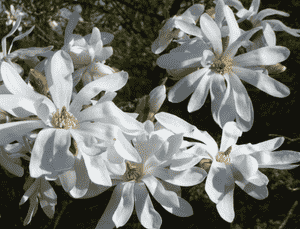
The Star magnolia tree produces star-like, aromatic blossoms in the early springtime.
2
It shows great versatility across various soil conditions and weather patterns.
3
This plant improves garden beauty through its distinctive branch formation.
Why is the Star Magnolia a Great Garden Choice?
Beautiful Blooms
The Star magnolia produces stunning star-shaped flowers that appear in early spring, providing a visual treat for gardeners. These delicate, scented blossoms range from pure white to soft pink, creating a spectacular display that brightens any outdoor area.
Distinctive Branching
A key feature of the Star magnolia is its unique branching structure. Its multi-stemmed growth habit forms an elegant, spreading canopy, adding sculptural interest to gardens. This pattern not only boosts its visual appeal but also offers structural diversity in landscaping.
How Does the Star Magnolia Adapt to Environments?
Soil Versatility
The Star magnolia shows remarkable adaptability to various soil types, including clay, loam, and sandy soils. This flexibility allows it to thrive in many garden conditions. While it prefers well-drained soil, it can endure occasional wet or dry periods, making it a resilient choice for diverse settings.
Climate Resilience
Beyond its soil adaptability, the Star magnolia is known for tolerating different climate conditions. It can handle cold winters and summer heat, making it suitable for gardens in various regions. This hardiness ensures gardeners everywhere can enjoy the Star magnolia's beauty year-round.
How Does the Star Magnolia Benefit Wildlife and Ecosystems?
Attracts Pollinators
The fragrant flowers of the Star magnolia are not just visually appealing but also draw in various pollinators, such as bees and butterflies. These pollinators are vital for healthy ecosystems by aiding plant reproduction. By planting Star magnolias, you can support local pollinator populations and boost biodiversity.
Creates Habitat
The dense, multi-stemmed growth of the Star magnolia provides shelter and nesting spots for small birds and other wildlife. This habitat creation is crucial for supporting garden biodiversity. Small mammals and insects also find refuge in its foliage, fostering a balanced ecosystem.
What Are the Practical Uses of the Star Magnolia in Landscaping?
Privacy and Screening
The Star magnolia's dense foliage and spreading habit make it an excellent option for privacy screens and hedges. When placed strategically, it can form natural barriers that offer seclusion and reduce noise. This practical use adds both functional and aesthetic value to outdoor spaces.
Erosion Control
The extensive root system of the Star magnolia helps prevent soil erosion on slopes and embankments. Its roots stabilize the soil, lowering the risk of landslides and runoff. This characteristic makes it an ideal choice for eco-conscious landscaping projects focused on preserving land integrity.
How to Care for Your Star Magnolia for Long-Term Health?
Watering and Feeding
To maintain a healthy Star magnolia, ensure adequate watering, especially during its establishment phase. Regular irrigation helps it develop a strong root system. Additionally, applying a balanced fertilizer during the growing season will encourage vigorous growth and abundant blooms.
Pruning and Upkeep
Pruning is essential for maintaining the Star magnolia's shape and promoting new growth. It's best to prune right after flowering to avoid removing next year's buds. Regular maintenance, including removing dead or damaged branches, will keep the plant healthy and attractive.



