The Saucer magnolia Plant Advantage: Maximizing Home and Office Appeal and Wellness
1
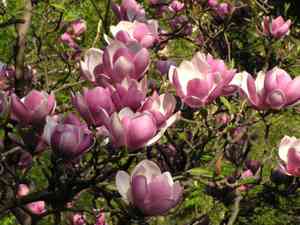
The saucer magnolia is celebrated for its beautiful and aromatic spring blooms.
2
It has the ability to elevate your garden's visual charm with its vivid flowers.
3
Saucer magnolia draws in helpful pollinators, contributing to your garden's success.
Why Select Saucer Magnolia for Your Garden?
Visual Appeal
A primary reason gardeners opt for Saucer magnolia is its stunning beauty. Its large, cup-shaped blooms appear in various pink, white, and purple hues, adding a dramatic touch to any landscape. These flowers typically emerge in early spring, creating a picturesque scene that can last for several weeks.
Fragrance and Sensory Delight
The flowers of Saucer magnolia not only offer a visual spectacle but also emit a pleasant scent. This unique blend of sight and aroma makes it a favored choice for ornamental gardening. Imagine strolling through your garden, greeted by a symphony of colors and delicate, sweet fragrancesâa sensory experience that can be both calming and revitalizing.
Ecological Advantages of Saucer Magnolia
Attracting Pollinators
Saucer magnolia plays a vital role in supporting local ecosystems by drawing in bees, butterflies, and other pollinators. These beneficial insects are essential for the fertilization of many plants, ensuring the vitality and productivity of your garden. By incorporating Saucer magnolia into your landscape, you're not only enhancing its beauty but also fostering an environment where pollinators can flourish.
Erosion Control and Soil Health
The robust root system of Saucer magnolia aids in stabilizing soil and preventing erosion. Its roots spread extensively, forming a network that secures the soil even during heavy rainfall. Furthermore, the fallen leaves of Saucer magnolia decompose, returning vital nutrients to the soil, thereby improving its fertility. This natural process lessens the need for chemical fertilizers, making your gardening practices more sustainable.
How to Care for Saucer Magnolia
Optimal Planting Conditions
Saucer magnolia thrives in well-drained, slightly acidic to neutral soil. It performs best in full sunlight but can also tolerate partial shade. When selecting a planting site, ensure ample space for the tree to grow, as it can reach heights of 20-30 feet and a spread of 15-25 feet. Proper spacing allows for better air circulation, reducing the likelihood of disease.
Watering and Fertilization
Consistent watering is crucial, especially during the initial establishment phase. Water deeply at the tree's base, ensuring the roots receive sufficient moisture. During the first few years, consider mulching around the base to retain soil moisture and regulate its temperature. Fertilize Saucer magnolia with a balanced, slow-release fertilizer in early spring and late fall to support its growth and blooming.
Common Issues and Solutions
Managing Pests
While Saucer magnolia is relatively resilient, it can sometimes be susceptible to pests like scale insects and aphids. Regular inspection of leaves and branches can help detect infestations early. Insecticidal soaps or neem oil can be effective treatments. Additionally, introducing beneficial insects such as ladybugs can naturally control pest populations.
Controlling Diseases
Fungal diseases like powdery mildew and leaf spot can affect Saucer magnolia, particularly in humid conditions. Proper spacing, as mentioned earlier, can significantly reduce risk by promoting good air circulation. If fungal infections occur, fungicidal sprays can be used for treatment. Pruning affected areas and ensuring the plant's overall health can also prevent disease spread.



