The Osage orange Plant Advantage: Maximizing Home and Office Appeal and Wellness
1
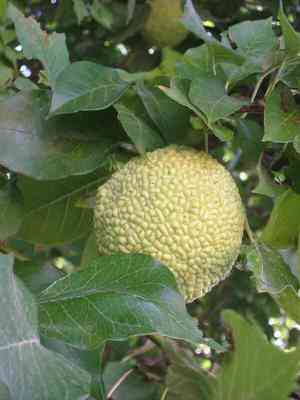
Osage orange yields a distinct fruit that naturally deters insects.
2
The timber from Osage orange is exceptionally tough and resists decomposition.
3
Osage orange is historically utilized in crafts and implements because of its robust qualities.
What is Osage orange?
Historical Background
Originating from the southern United States, Osage orange boasts a rich history intertwined with native cultures and early settlers. Historically, its robust wood and vivid, inedible fruit were highly prized. Indigenous tribes crafted durable bows from it, while early colonists valued its resilience for tools and fence posts.
Physical Characteristics
Osage orange is a resilient plant characterized by its distinct green, textured fruits resembling large oranges. The tree thrives in diverse soils and climates, making it adaptable to various environments. Its thorny branches and sturdy wood structure are defining traits that set it apart from other flora.
Natural Pest Repellent: How Does Osage orange Protect Your Garden?
Year-Round Pest Control
A notable advantage of Osage orange is its inherent pest-deterring qualities. The fruit emits an aroma that many garden pests, including insects and rodents, find disagreeable. This offers an effective, chemical-free solution for gardeners aiming to safeguard their plants throughout the year.
Application Methods
To utilize Osage orange as a pest deterrent, position the fruit around your garden's or home's perimeter. The scent will establish a barrier, discouraging pests from entering the vicinity. Alternatively, you can slice the fruit and place it in specific areas experiencing high pest activity.
The Sturdy Wood of Osage orange: What Makes It So Durable?
Longevity and Resistance
Osage orange wood is celebrated for its exceptional durability and resistance to decay. This makes it a prime choice for crafting items that must endure the passage of time and environmental exposure. Whether used for fence posts, furniture, or other wooden structures, Osage orange wood persists where others might fail.
Traditional and Modern Uses
Historically, Osage orange wood was fashioned into bows, owing to its superior tensile strength and elasticity. Today, it remains valued in woodworking for creating premium furniture, flooring, and even musical instruments. Its rot resistance also makes it an ideal material for outdoor applications, ensuring longevity even in harsh conditions.
Crafting and Tools: How Osage orange Wood is Used Traditionally?
Traditional Craftsmanship
Indigenous cultures in the native regions of Osage orange have long employed its wood for crafting implements and weaponry. The wood's inherent strength and flexibility made it particularly effective for producing bows and other essential survival tools.
Modern Crafting Applications
Today, artisans and craft enthusiasts continue to incorporate Osage orange wood into various projects. Its distinctive coloration and grain make it a desirable option for decorative items and bespoke woodworking. Whether creating cutting boards, knife handles, or other specialized pieces, the wood's durability and aesthetic appeal are unparalleled.
Environmental and Ecological Benefits of Osage orange
Soil Stabilization and Erosion Control
Beyond its practical applications, Osage orange also provides significant ecological advantages. Its root system effectively stabilizes soil and prevents erosion, making it a valuable plant for land management. In erosion-prone areas, planting Osage orange can help maintain soil integrity and foster healthier ecosystems.
Habitat for Wildlife
The dense foliage and robust branches of Osage orange offer refuge for various wildlife species. Birds and small mammals frequently seek shelter within its sturdy structure, making it a crucial component of local biodiversity. Incorporating Osage orange can enhance local habitats and support diverse forms of wildlife in your area.
How Can You Incorporate Osage orange into Your Landscape?
Decorative Uses
Osage orange can be a distinctive addition to your landscape, offering both visual appeal and practical benefits. The tree's unique appearance, with its vibrant green fruit and thorny branches, can serve as a focal point in your garden. Furthermore, its natural pest-repelling properties make it an excellent companion plant for other garden varieties.
Practical Applications
Consider utilizing Osage orange in areas requiring additional pest control or soil stabilization. Planting it along property boundaries can create a natural fence that is both attractive and functional. Its dense canopy can also provide much-needed shade during summer months, enhancing the comfort and usability of outdoor spaces.



