The Grape honeysuckle Plant Advantage: Maximizing Home and Office Appeal and Wellness
1
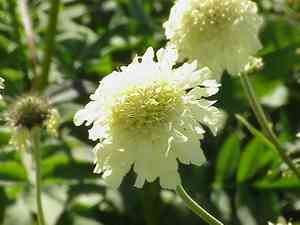
Grape honeysuckle produces bright yellow flower clusters, enhancing the beauty of any garden space.
2
It draws in helpful pollinators such as bees and hummingbirds.
3
This species is recognized for its resilience and capacity to flourish in diverse soil types.
Benefits of Incorporating Grape Honeysuckle into Your Garden
Visual Appeal
Grape honeysuckle is notable for its visually striking yellow blossoms, which can brighten any garden space. These vibrant flowers grow in clusters and provide a magnificent display during their peak bloom period. Whether you aim to create a focal point or add colorful accents, this plant offers an eye-catching experience.
Effortless Upkeep
This plant is exceptionally robust, making it an ideal choice for both seasoned gardeners and novices. It tolerates diverse soil conditions, requires minimal irrigation once established, and is quite resistant to common pests and diseases. This ease of care ensures you can enjoy its beauty without the constant effort some other plants demand.
Ecological Advantages of Cultivating Grape Honeysuckle
Attracts Pollinators
A key benefit of planting Grape honeysuckle is its capacity to draw in beneficial pollinators such as bees and hummingbirds. These pollinators are vital for maintaining a healthy ecosystem, assisting in the pollination of various other plants in your garden. By encouraging pollinators, you contribute to a flourishing garden ecosystem.
Supports Biodiversity
Beyond attracting pollinators, Grape honeysuckle offers habitat and sustenance for a variety of wildlife. Birds, insects, and small mammals can find food and shelter within its branches. This support for biodiversity helps create a balanced and vibrant garden environment, fostering a sense of harmony in your outdoor area.
Practical Applications of Grape Honeysuckle
Natural Screening
Grape honeysuckle can serve as an effective natural screen or hedge, providing privacy and obscuring undesirable views. It's an excellent alternative to artificial barriers, offering a more aesthetically pleasing and environmentally friendly option. The dense foliage and vigorous growth can create an effective visual and sound barrier, enhancing your garden's tranquility.
Soil Stabilization
This plant's root system is not only extensive but also effective in stabilizing soil. Planting Grape honeysuckle in areas prone to erosion can help reduce soil loss, making it a great solution for slopes and embankments. Over time, its roots will help bind the soil together, lessening the risk of erosion and promoting a healthier landscape.
Grape Honeysuckle Care Guide
Optimal Growth Conditions
Grape honeysuckle thrives in full sun to partial shade and prefers well-drained soil. While it tolerates various soil types, providing a nutrient-rich environment will maximize its growth potential. Consider adding compost or organic matter to enrich the soil before planting.
Watering and Pruning Advice
Once established, this plant requires minimal watering, making it drought-tolerant and low-maintenance. However, during its initial growth phase, it's crucial to keep the soil consistently moist. Pruning should be done in late winter or early spring to shape the plant and encourage new growth. Removal of dead or unhealthy branches will also help maintain its overall vitality.
Common Issues and Solutions
Pest Management
While Grape honeysuckle is relatively pest-resistant, occasional problems can arise. Aphids and spider mites may sometimes pose a threat. A thorough inspection and the use of natural remedies like neem oil can effectively manage these pests. Regular monitoring will help catch any issues early before they escalate.
Disease Prevention
This plant is generally resistant to diseases, but like all plants, it can occasionally encounter problems like powdery mildew or leaf spot. Ensuring good air circulation and avoiding overhead watering can help prevent fungal issues. If diseases do appear, treating them early with appropriate fungicides will ensure that your plant remains healthy and vibrant.



