The Pink Honeysuckle Plant Advantage: Maximizing Home and Office Appeal and Wellness
1
Pink Honeysuckle is recognized for drawing in hummingbirds and other beneficial insects.
2
This plant provides superb ground coverage due to its thick leaves.
3
Pink Honeysuckle is capable of flourishing in diverse environmental settings, making it very adaptable.
Why Consider Cultivating Pink Honeysuckle?
Natural Pollinator Magnet
A key attribute of Pink Honeysuckle is its capacity to draw in diverse pollinators, including hummingbirds, bees, and butterflies. Its nectar-rich blossoms act as a lure for these creatures, aiding in garden pollination. This not only supports other plant growth but also boosts local biodiversity.
Effective Ground Cover Solution
Another significant advantage of Pink Honeysuckle is its thick foliage, making it an excellent choice for ground cover. The plant's growth habit helps suppress weeds and protect the soil, reducing the need for chemical herbicides. This makes Pink Honeysuckle a smart, eco-friendly option for maintaining a healthy landscape.
Adaptability to Various Settings
Versatility is a hallmark of Pink Honeysuckle, as it thrives across a range of environmental conditions. Whether your garden receives full sun, partial shade, or a mix, this resilient plant is likely to flourish. Its ability to grow in different soil types and climates makes it a popular choice for gardeners of all skill levels.
Optimizing Pink Honeysuckle Cultivation for Best Results?
Ideal Planting Conditions
To ensure Pink Honeysuckle thrives, it's crucial to plant it in well-drained soil with ample sunlight exposure. While it tolerates partial shade, full sun will maximize its flowering and growth potential. Amend the soil with organic matter to enhance its structure and nutrient content.
Appropriate Watering Practices
Though Pink Honeysuckle is relatively drought-tolerant once established, it requires consistent watering during its initial growth phase. Water the plant deeply but infrequently to encourage a strong root system. Be careful not to overwater, as excessive moisture can lead to root rot and other problems.
Trimming and Upkeep
Regular pruning is vital for maintaining Pink Honeysuckle's health and form. Prune the plant after it has finished blooming to remove any dead or damaged branches. This practice not only keeps the plant neat but also promotes more abundant flowering in the subsequent season.
What Are the Broader Environmental Impacts?
Supporting Local Wildlife
By attracting pollinators like hummingbirds and bees, Pink Honeysuckle plays a crucial role in supporting local wildlife. Pollinators are essential for the reproduction of many plants, helping to maintain ecological balance and biodiversity. By planting Pink Honeysuckle, you contribute to a healthier environment.
Erosion Control and Soil Health
The dense root system of Pink Honeysuckle is highly effective in preventing soil erosion. The plant's roots help stabilize the soil, reducing the risk of landslides and runoff. Additionally, the leaf litter from Pink Honeysuckle decomposes over time, enriching the soil with organic matter and improving its overall health.
Air Quality Enhancement
Another often-underestimated benefit of Pink Honeysuckle is its contribution to improved air quality. Like many green plants, Pink Honeysuckle absorbs carbon dioxide and releases oxygen through photosynthesis. This natural air purification can help reduce pollution levels and foster a cleaner, healthier environment.
How Can Pink Honeysuckle Improve Your Garden's Visual Appeal?
Vibrant Blooms
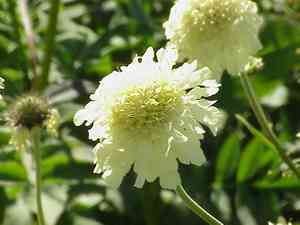
One of the most visually striking aspects of Pink Honeysuckle is its vivid, pink flowers. These blossoms add a splash of color to any garden, creating an attractive focal point. The flowers not only draw in pollinators but also lend an elegant touch to your outdoor space.
Seasonal Visual Interest
Pink Honeysuckle offers year-round appeal with its changing foliage and flowers. In spring and summer, the plant is adorned with bright pink blooms, while its leaves provide a lush, green backdrop. As seasons shift, the foliage may take on different hues, adding dynamic visual interest throughout the year.
Compatibility with Other Flora
Another advantage of Pink Honeysuckle is its ability to coexist with various other plants. Its flexible growth habit allows it to be used as ground cover, a shrub, or even a climbing vine. This versatility makes it a great addition to mixed plantings, providing cohesion and enhancing your garden's overall aesthetic.



