The Winter honeysuckle Plant Advantage: Maximizing Home and Office Appeal and Wellness
1
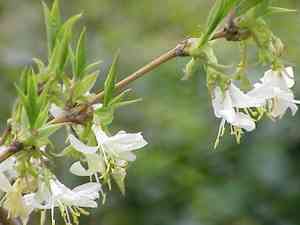
Winter honeysuckle enhances any garden with its aromatic blossoms that appear in the colder months.
2
This resilient shrub requires minimal upkeep, making it perfect for both new and seasoned gardeners.
3
Beyond its beauty, winter honeysuckle draws in vital pollinators such as bees and butterflies.
Why Winter Honeysuckle is Essential for Your Garden
What Makes Winter Honeysuckle Special?
A key feature of Winter Honeysuckle is its capacity to bloom during the colder months. While most plants enter dormancy, this resilient shrub distinguishes itself by producing small, creamy flowers that fill the air with a sweet scent. These blooms are not only attractive but also provide an early nectar source for pollinators. This makes Winter Honeysuckle an invaluable contributor to garden biodiversity when other nectar sources are scarce.
Is Winter Honeysuckle Easy to Grow?
Winter Honeysuckle is well-known for its robust nature and minimal care requirements. This shrub thrives in various soil types and can endure partial shade, though it performs best in full sun. Its hardiness also extends to different climates, capable of withstanding both harsh winters and hot summers. For gardening novices, Winter Honeysuckle offers an effortless introduction to plant care, adapting well to less-than-ideal conditions.
Enhancing Your Landscape with Winter Honeysuckle
Can Winter Honeysuckle Boost Garden Biodiversity?
Absolutely! The winter blooms of Winter Honeysuckle are a blessing for pollinators like bees and butterflies foraging in winter. These insects often desperately need nectar during colder periods, and Winter Honeysuckle acts as a vital food source. By planting Winter Honeysuckle, you actively support your local ecosystem, aiding crucial pollination activities for biodiversity. Furthermore, this plant is typically pest-resistant, reducing the need for chemical interventions and fostering a healthier garden environment.
How Does Winter Honeysuckle Compare to Other Winter Bloomers?
While several plants bloom in winter, Winter Honeysuckle stands out due to its longevity and sturdy character. Unlike more delicate winter bloomers that might succumb to harsh weather, Winter Honeysuckle exhibits greater tolerance, making it a dependable choice for long-term garden planning. Its unique blend of hardiness, fragrance, and wildlife benefits makes it unparalleled among winter shrubs.
Cultivating and Caring for Winter Honeysuckle
What Are the Optimal Growing Conditions?
To maximize Winter Honeysuckle's potential, plant it where it receives at least 4-6 hours of direct sunlight daily. Although it can tolerate some shade, more sun generally leads to more vibrant blooms. Well-drained soil rich in organic matter will ensure optimal growth. Water moderately; Winter Honeysuckle is relatively drought-tolerant once established, but young plants require consistent moisture to flourish.
How to Prune and Shape Winter Honeysuckle?
Pruning Winter Honeysuckle is simple and primarily done for maintaining its shape and health. The ideal time to prune is immediately after flowering in late winter or early spring. Remove any dead or damaged wood, and trim overly long branches to maintain your desired form. Regular pruning encourages denser foliage and more abundant flowering in subsequent seasons.
Landscape Design Ideas Using Winter Honeysuckle
Can Winter Honeysuckle Be Used for Hedges?
Yes, Winter Honeysuckle makes an excellent hedge due to its dense, bushy growth habit. It can be planted in rows to create a fragrant, flowering barrier that also serves as a windbreak. The blooms add visual appeal, while the thick foliage provides privacy and screening. With regular pruning, Winter Honeysuckle hedges remain neat and compact.
How Can Winter Honeysuckle Be Integrated into Mixed Borders?
Incorporating Winter Honeysuckle into mixed borders allows you to utilize its winter blooming to enhance seasonal interest. Its early flowers can complement spring bulbs like daffodils and tulips, providing a smooth transition from winter to spring. Pair Winter Honeysuckle with evergreens and other seasonally flowering shrubs to create a year-round visual and sensory experience in your garden.



