The Perfoliate honeysuckle Plant Advantage: Maximizing Home and Office Appeal and Wellness
1
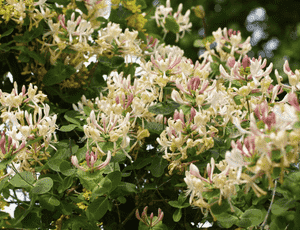
This botanical specimen is recognized for its vining nature, making it an attractive garden feature.
2
Draws in beneficial insects such as bees and butterflies, boosting garden ecological variety.
3
Its aromatic blossoms are delightful to people and simultaneously bolster local natural environments.
What Makes Perfoliate honeysuckle Unique?
Visual Appeal and Climbing Habits
A key characteristic of Perfoliate honeysuckle is its capacity to ascend. This makes it a superb plant for adorning trellises, fences, and walls, adding vertical dimension to your garden. Its intertwining vines create a romantic, classic charm often utilized in garden design.
Aromatic Blossoms
The blooms of Perfoliate honeysuckle are not only visually pleasing but also release a sweet scent that can fill your garden with a delightful aroma. This makes it especially favored in areas where people gather, such as patios and outdoor seating spaces.
Ecological Benefits of Perfoliate honeysuckle
Attracting Pollinators
One of the most significant ecological advantages of Perfoliate honeysuckle is its ability to draw in pollinators. Bees, butterflies, and even hummingbirds are attracted to its nectar-rich flowers. This not only aids the local ecosystem by supporting pollinator populations but also ensures your garden remains vibrant and fertile.
Supporting Local Wildlife
In addition to pollinators, Perfoliate honeysuckle offers refuge and sustenance for various other creatures. Birds frequently use the dense foliage as nesting sites, while small mammals and insects find shelter within its tangled branches. This contributes to a more balanced and diverse garden ecosystem.
How to Care for Perfoliate honeysuckle
Optimal Growing Conditions
For Perfoliate honeysuckle to flourish, it requires specific growing conditions. It prefers well-drained soil and can tolerate a range of pH levels, though slightly acidic to neutral soils are ideal. Full sun to partial shade is recommended, as excessive shade can result in fewer flowers.
Watering and Fertilizing
Consistent watering is crucial, especially during dry periods. However, avoid overwatering as it can lead to root rot. A balanced fertilizer applied once in spring can encourage healthy growth and abundant flowering. Mulching around the plant's base can help retain soil moisture and regulate temperature.
Practical Uses in Garden Design
Creating Privacy and Shade
Due to its climbing nature, Perfoliate honeysuckle is excellent for establishing natural privacy screens. It can be grown along fences or over pergolas to provide shade and seclusion. This makes it perfect for urban gardens where space is limited and privacy is a premium.
Enhancing Garden Aesthetics
Beyond its functional uses, Perfoliate honeysuckle is a versatile plant that can complement various garden styles. Whether you prefer a cottage garden, a formal layout, or a wild, natural appearance, Perfoliate honeysuckle's adaptability makes it a valuable addition. Its seasonal changes—from lush green foliage to vibrant flowers—provide year-round interest.
Common Issues and Solutions
Pest Management
While Perfoliate honeysuckle is relatively pest-resistant, it can occasionally fall prey to aphids and spider mites. Regular inspection and the use of natural insecticides or neem oil can help manage these issues. Encouraging natural predators like ladybugs can also keep pest populations in check.
Disease Prevention
Fungal diseases like powdery mildew can affect Perfoliate honeysuckle, particularly in humid conditions. Ensuring good air circulation by pruning overcrowded stems can help prevent this. If an infection does occur, fungicidal treatments and removing affected parts can control the spread.



